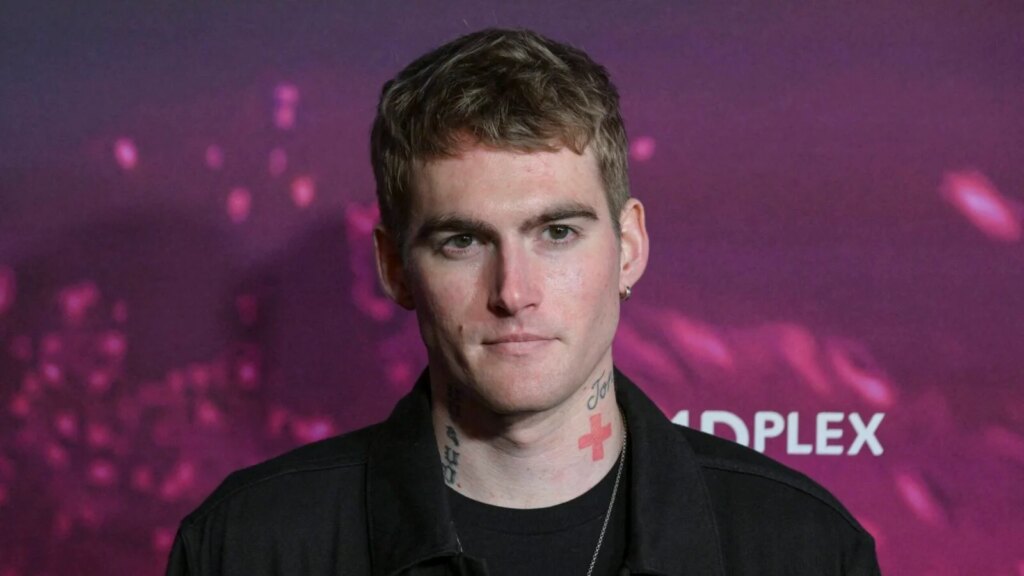

Cindy Crawford‘s son, Presley Gerber, was already under the influence when he arrived at the sober-living home where he died, with sources reporting that staff knew about his condition and agreed to admit him.
The new details are adding scrutiny to the final hours of Cindy Crawford and Rande Gerber’s son, who died at 27 after entering the Santa Monica residence for treatment.
His official cause of death remains deferred pending toxicology results, but the circumstances surrounding his admission have raised fresh questions about the level of care Presley Gerber received.
The Sober-Living Home Was Warned Before Presley Gerber Arrived

According to TMZ, a member of Presley’s sober team contacted Resolutions Living the afternoon before his death.
The team reportedly wanted to know whether the facility would accept Presley because he was already “high,” acting erratically and muttering troubling comments about his condition.
Sources, including one with direct knowledge, told the news outlet that staff responded by telling the team to bring him in.
Presley reportedly arrived shortly after 6 p.m. Saturday while under the influence of a substance.
Meanwhile, people close to Presley previously claimed that a doctor had been providing him with ketamine despite being aware of his history of drug addiction
Cindy Crawford And Rande Gerber Would Not Have Allowed Their Son To Stay At The Sober-Living Facility, Sources Claim

After Presley’s team reached out to the sober-living home, a friend and his personal coach reportedly drove him to the location, where he later died.
Sources with direct knowledge said that the model’s team had located the facility and arranged for him to receive treatment there.
His family, Cindy Crawford, Rande Gerber and Kaia Gerber, had recently discussed the possibility of him returning to treatment, but they were reportedly unaware that he was being taken to that particular center and would not have approved of the facility.
The facility was described as an outpatient treatment program that also offered sober-living accommodations rather than a medical detox center.
Nick Mathews, the owner of a drug and treatment center, told TMZ that: “As a cardinal rule, a sober living facility that is not licensed and is ill-equipped to handle a detoxing patient should not take any client who is using.”
Multiple sources familiar with the program said that Presley should have first been placed in a medical detox facility, where patients undergoing withdrawal are typically monitored every 15 to 30 minutes.
Presley Gerber Was Found Unresponsive The Next Morning

Presley was found unresponsive at the residence the following morning after a 911 call reporting a suspected overdose.
Emergency responders performed lifesaving measures, but he was pronounced dead at 9:45 a.m.
The Los Angeles County Medical Examiner completed an autopsy, but the official cause and manner of death have not yet been determined.
Toxicology testing is still pending, and the Santa Monica Police Department is investigating how Presley obtained the substance or substances involved.
Authorities have also said there is no indication of foul play at this stage.
The Late Model’s Family Had Been Trying To Help

Presley’s death came after years in which his family had tried to support him through substance-use and mental-health struggles.
A source previously told People Magazine that Cindy and Rande had “tried everything possible” to help their son.
The source said the couple had supported Presley through therapy, inpatient and outpatient rehabilitation, homeopathic treatments, and multiple sober coaches.
The family also helped him pursue work as a model and photographer and supported whatever he was excited about. However, he always seemed to fall back into old habits, which made things difficult for his loved ones.
The same source said Presley’s struggles had become especially difficult during the last year of his life.
The Sober-Living Industry Faces New Scrutiny After Presley Gerber’s Death

Presley’s death has also drawn attention to California’s sober-living industry. The Los Angeles Times reported that Resolutions Living operates as a recovery residence and is not subject to the same state oversight as a licensed treatment facility.
The news outlet reported that the home is not authorized to provide medical care and that California does not have a state agency responsible for monitoring or tracking sober-living homes.
His death has therefore intensified questions about what safeguards exist when people with serious substance-use problems enter residential recovery settings.
Presley has since been cremated, and his ashes are being kept by his family, but a medical examiner has yet to announce a final cause of death.
Questions about the facility have grown alongside the investigation because Presley’s admission reportedly happened during an acute period rather than after a completed detoxification process.