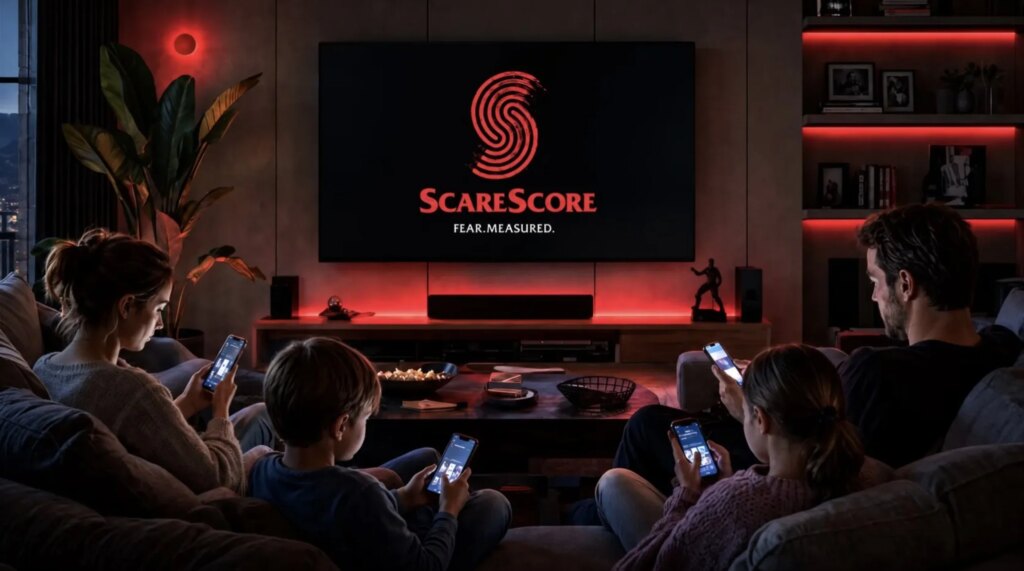

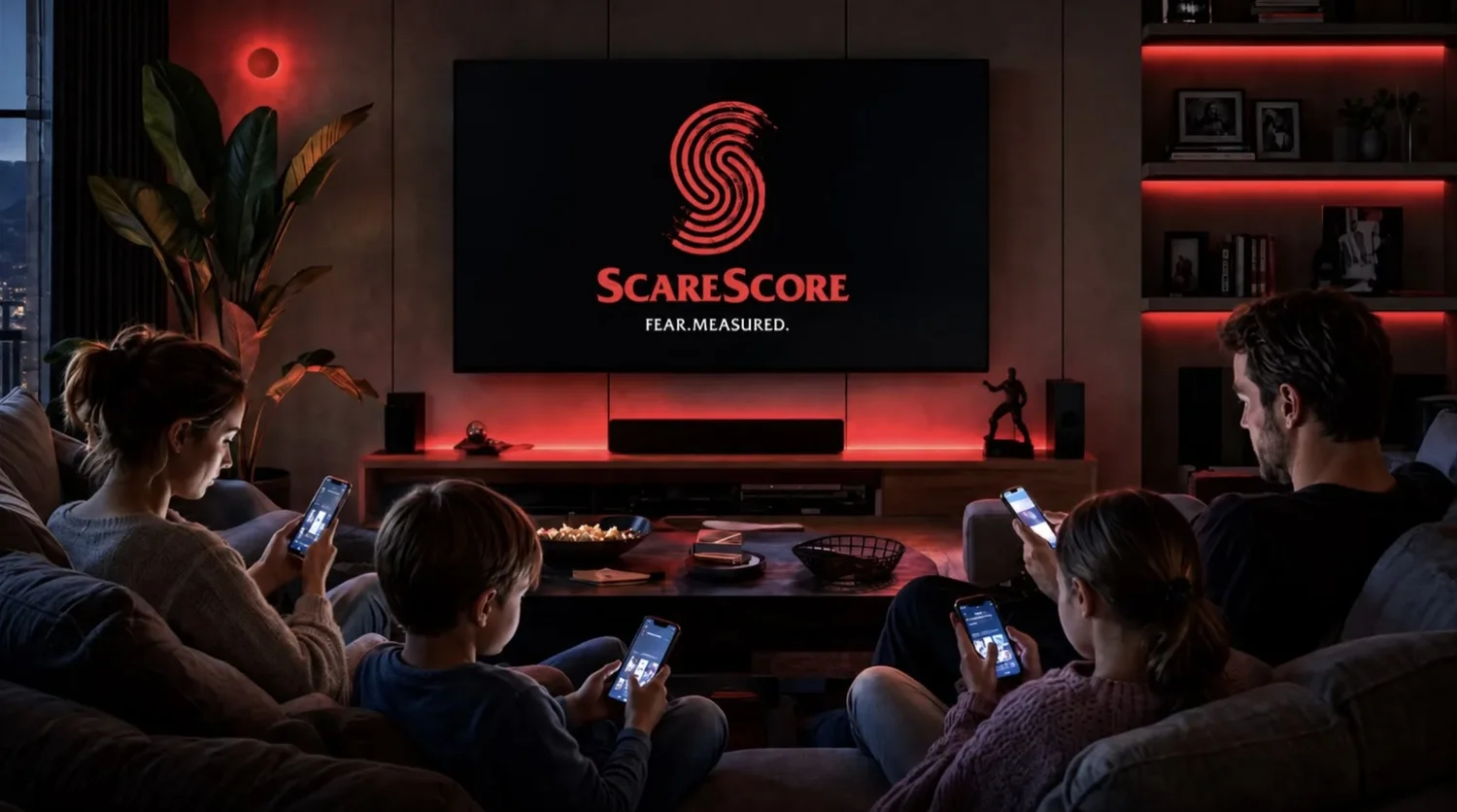
ScareScore connects to the smartwatch or wearable device you already use and monitors physiological signals such as heart rate, heart-rate variability, and movement. It establishes a personal baseline, tracks how your body responds throughout the experience, and turns those reactions into your own ScareScore.
So when a movie hits you with a brutal scare and your heart decides it would rather leave the theater without you, ScareScore knows.
Fans will be able to check their personalized score after a screening or attraction, share it, compare results with friends, and see how their physical reactions compare with other audience members.
More importantly, the technology could provide filmmakers and studios with information that traditional audience surveys can’t.
“Entertainment has spent more than a century asking audiences what they thought after an experience was over,” said Chris Anastas, Founder and CEO of ScareScore. “We believe there is another incredibly valuable signal sitting right in front of us: what their bodies were doing while they experienced it.”
Instead of getting a general response like “Yeah, that was scary,” filmmakers could potentially see exactly when audiences reacted. That means identifying the moments that caused heart rates to jump, tension to spike, or viewers to physically react.
For horror filmmakers in particular, that kind of audience engagement data could be really interesting.
ScareScore was founded by technologist Chris Anastas alongside co-founder and horror film producer JP Ouellette. Their combined experience covers technology, film production, entertainment, immersive theater attractions, and audience engagement.
Horror makes a natural proving ground because fear tends to create immediate physical reactions that can be measured. ScareScore isn’t intended to remain locked inside the genre, though.
The company plans to expand the biometric platform into theatrical movies, streaming entertainment, theme parks, immersive attractions, and other location-based experiences.
There’s also a competitive element to all of this. ScareScore plans to introduce Biometric Awards recognizing movies and entertainment experiences based on physiological audience reactions, including the intensity of their psychological and emotional responses.
That could make things especially fun for horror festivals. Instead of filmmakers simply claiming they made the scariest movie of the year, there could be biometric audience data showing exactly how viewers reacted.
Of course, fear isn’t universal. One person’s nightmare fuel is another person’s Tuesday afternoon, which is part of what makes personalized ScareScores interesting. The platform establishes an individual baseline rather than treating every audience member’s physical response as identical.
The first public ScareScore activations are planned for select film festival screenings and location-based experiences across North America during Halloween 2026. Audiences will watch the movie or experience the attraction normally, then receive their biometric score afterward.
Additional film festivals, technology partners, and location-based entertainment partners are expected to be announced soon.
Horror fans have argued forever about which movies are actually scary. ScareScore is throwing another piece of evidence into that fight, except this time your pulse gets a vote.
If this catches on, horror filmmakers may soon have a new question to ask after terrifying an audience: How high did they score?