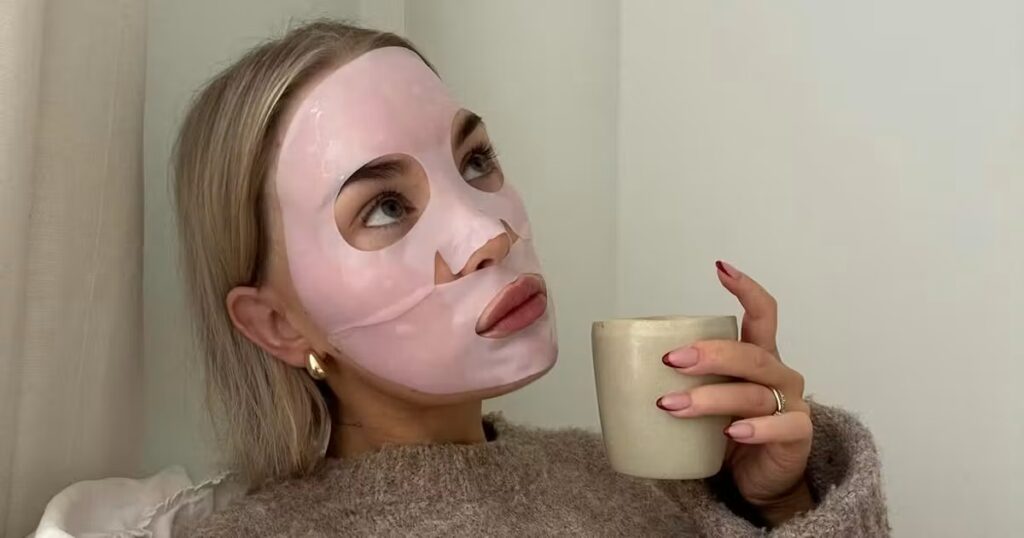

The 10-step Korean skin care routine is often associated with “glass skin,” or a smooth, hydrated, reflective-looking complexion. But despite its name, it’s a surprisingly flexible framework.
At its core, a K-beauty routine emphasizes a few key principles: double cleansing, layered hydration, and daily sun protection. Think of the 10 steps as a menu, not a mandate. Innisfree is one example of that approach, building its lineup around Jeju-sourced ingredients and hydration-focused formulas.
What The 10-Step Routine Actually Means Today
- It’s customizable: The traditional 10 steps are not a rigid checklist. Pick based on your skin type and concerns.
- It can be minimal: Streamlined routines have three to five steps that still follow K-beauty’s core approach.
- It’s not all daily: Exfoliants and sheet masks are occasional additions. You don’t need all 10 steps every day.
The Full 10 Steps, In Order
The traditional routine moves from lighter steps to richer, moisturizing ones.
1. Oil Cleanser
Dissolves sunscreen, sebum, makeup, and other oil-soluble buildup.
2. Water-Based Cleanser
Washes away remaining residue so your skin’s ready for the rest of your routine.
3. Exfoliant
Removes dead skin cells to help improve uneven texture and dullness.
4. Toner
Balances the skin’s pH without drying it out.
5. Essence
Adds lightweight hydration and can contain targeted ingredients.
6. Serum/Ampoule
Targeted treatments spanning from soothing to brightening and smoothing.
7. Sheet Mask
Occasional treatments that add hydration or other targeted ingredients for an extra boost.
8. Eye Cream
Formulated to nourish and hydrate the delicate eye area.
9. Moisturizer
Helps hydrate and support the skin barrier, sealing in the layers that came before it.
10. Sunscreen
The American Academy of Dermatology recommends broad-spectrum SPF 30 or higher and reapplying as directed.
Why The Order Matters
You can customize the number of products in your routine, but the basic order helps keep things simple:
- Double cleansing comes first: An oil-based cleanser dissolves sunscreen and sebum, while a water-based cleanser washes away remaining residue.
- Lightweight layers generally come before thicker ones: Toners and essences tend to come before serums and creams.
- K-beauty emphasizes prevention and hydration: This protects the skin barrier.
The Beginner’s Condensed Routine
Start with five steps instead of 10:
1. Cleanse: Gently remove buildup.
2. Toner/Essence: Rebalance and add a light layer of hydration.
3. Treatment Serum: Address concerns like dullness, dryness, irritation, or fine lines.
4. Moisturizer: Nourish your skin barrier with a moisturizer.
5. SPF: Protect your skin with a broad-spectrum SPF.
Customizing The Routine For Your Skin
Once you’ve decided on your preferred number of steps, tailor your routine. A few things to consider:
- Oily skin: Try a lightweight gel moisturizer; dry skin: a richer cream may feel more comfortable.
- Sensitive skin: Look for fragrance-free formulas with soothing ingredients such as centella asiatica.
- Exfoliation: Start with one to two times weekly and reduce frequency if your skin becomes irritated. Don’t layer multiple exfoliants.
- Innisfree: Its cica- and green-tea-based options offer hydration-focused choices.
The Picks: One For Every Routine Goal
1. The Best Starting Point Product: Innisfree Green Tea Seed Hyaluronic Acid Serum
Innisfree has everything you need to start (or perfect) your Korean skin care journey. The line’s Jeju Island-sourced ingredients, including green tea and volcanic clusters, are featured in formulas across the major routine categories — including cleanser, toner, serum, moisturizer, and sunscreen.
2. A Lightweight Gel Moisturizer For Oily Skin: Apieu Madecassoside Moisture Gel Cream
A gel moisturizer can be a good fit if you want hydration without a rich or heavy finish.
2. A Fragrance-Free Cica Toner For Sensitive Skin: ANUA Azelaic Acid 3 Cica Skin Clarifying Toner
For sensitive or reactive skin, a fragrance-free toner with a soothing ingredient such as centella asiatica can add gentle, lightweight hydration.
4. A Brightening Serum For Uneven Tone: OLIVIAUMMA Jelly Brightening Serum
Target the appearance of dullness and uneven tone with a treatment serum.
5. A PDRN Or Peptide Ampoule For Trending Actives: Point Of View. Snatch It Face Ampoule Serum With PDRN And Peptides
PDRN and peptides have become buzzy ingredients in K-beauty, making a concentrated ampoule an easy way to experiment with the trend.
3. A Hydrating Essence For Glass-Skin Glow: IOPE XMD Stem III Clinical Recovery Essence Toner
For a glass-skin-inspired finish, look for a lightweight essence that adds plenty of hydration.
Common Mistakes (& How To Avoid Them)
The biggest missteps in Korean skin care involve sacrificing skin health in favor of an aggressive approach.
– Over-exfoliating: This can damage or irritate the skin. Stick to a frequency your skin can tolerate.
– Skipping SPF: Daily sun protection is one of the most important parts of any skin routine.
– Layering too many actives at once: Introduce new treatment ingredients gradually to make sure your skin tolerates them.
– Skipping patch tests: Testing a new formula on a small area can help identify potential irritation.
Frequently Asked Questions
1. Do I really need to do all 10 steps every day?
No. Many condense the regimen to four to five daily steps, reserving sheet masks and certain exfoliants for occasional use.
2. What’s the easiest way to start a Korean skin care routine as a beginner?
Start with a cleanser, followed by a hydrating toner or essence, one targeted serum, a moisturizer, and (as always) SPF.
3. Is Korean skin care safe for sensitive skin?
Yes, but choosing the right products is key. Korean skin care often prioritizes fragrance-free formulations packed with soothing actives like centella asiatica. Start slow, saving higher-percentage acids or other exfoliants until your skin has time to adjust.
4. How often should I exfoliate in a Korean skin care routine?
One to two times a week. Sensitive skin may need less frequent exfoliation. Daily exfoliation can increase the risk of irritation and damage to the skin barrier.
5. What’s the difference between a Korean toner, essence, and serum?
Toners prep and hydrate your skin, helping to rebalance pH after cleansing. Essences add a lightweight layer of moisture, while serums deliver concentrated actives for your skin’s specific needs.
6. Can Korean skin care products actually give you ‘glass skin’?
Glass skin describes a smooth, highly hydrated, reflective-looking complexion. There’s no single product that creates the look; it’s about consistent, gentle cleansing, layered hydration, and daily sun protection. Think of it as a skin finish to work toward, not a result you have to earn from a 10-step routine.