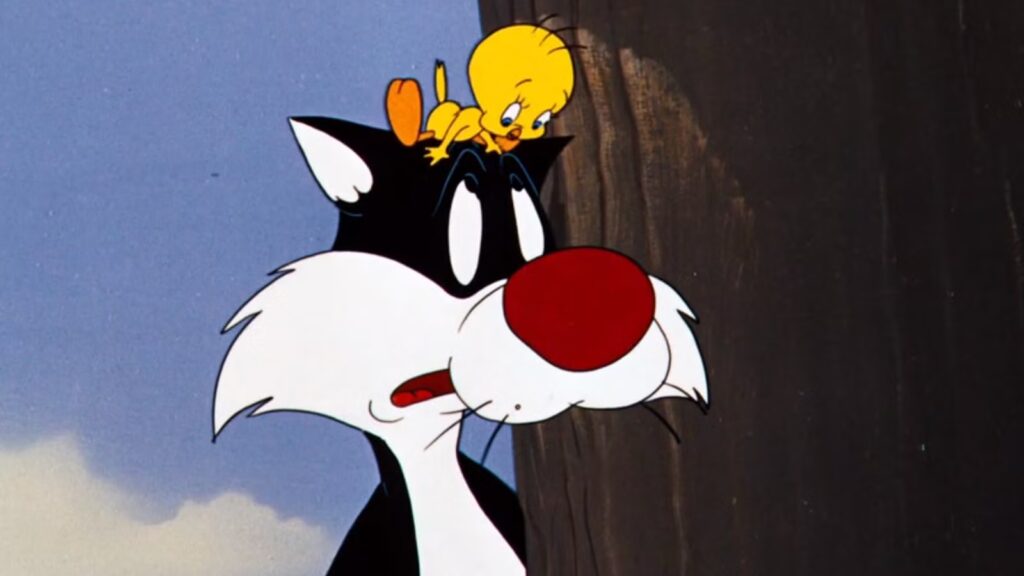

Hanna-Barbera cartoons have been some of the most influential in the vast field of animation. Series like The Flintstones, The Yogi Bear Show, and Scooby-Doo, Where Are You! became cultural icons in entertainment and are fondly remembered as a key foundation of modern cartoons. Even with Hanna-Barbera’s colossal impact, the Looney Tunes series from Warner Bros. is usually credited with sparking the massive wave of cartoons featured on Saturday morning and creating some of the most recognizable characters in pop culture.
It’s hard to argue that this zany series with equally quirky and memorable characters isn’t an absolute masterclass when it comes to slapstick comedy, expressive animation and imagining wild scenarios that could only take place in fiction. However, another Hanna-Barbera cartoon shares all these qualities. Tom and Jerry presents its premise better and keeps finding new ways to fulfill its core intentions without ever growing stale or boring to audiences.
Tom and Jerry is One of the Funniest Cartoons of All Time Because of Its Simplicity

The archetypal cat-and-mouse dichotomy has been used literally and figuratively in media for generations. Tom and Jerry takes the concept literally by centering on a big grey cat named Tom and a small light brown mouse named Jerry.
The two are simultaneously protagonists and antagonists in their own stories as Jerry tries to escape the clutches of Tom, all while securing as much cheese as he can. Other times, Jerry’s tranquility is interrupted by Tom’s antics, and he retaliates, as in the short “The Cat Concerto,” where Tom is a concert pianist who unknowingly disturbs Jerry’s sleep inside the piano.
The rest of the short sees them up the ante, using the piano’s inner workings to torture each other, resulting in Jerry’s triumph, as in most of the cartoons. Tom is usually portrayed as the more antagonistic character, since he is bigger and stronger, but watching the two face off and find different ways to outsmart each other is relentlessly hilarious.
Across various iterations of the series, beginning in 1940 and continuing through many others that became part of the iconic Saturday morning cartoons, this physical-comedy-driven premise has always been at its core. Whether the two are in a house, a bowling alley, the countryside or in another country, each cartoon offers new avenues for the characters to explore while still incorporating running gags that make frequent appearances.
It may seem like watching Tom and Jerry run around various places in constant pursuit of each other would become repetitive and dull very quickly, but with such a basic and perpetual story, there are countless possibilities for these characters that are bound to never run dry.
Through Many Different Eras, Tom and Jerry Has Stayed Refreshing

Tom and Jerry has undergone multiple revivals, and the two classic characters were most recently featured in the 2021 animated/live-action hybrid film Tom and Jerry. Until then, however, Tom and Jerry appeared in nine different television series and films that often placed the characters in fantastical or out-of-the-ordinary settings.
Each series still uses the same concept and a similar comedic style, but the animation varies. The characters have always been 2D, until the most recent film, 2025’s Tom & Jerry: Forbidden Compass. Tom and Jerry made their first appearance in 1940 in the short “Puss Gets the Boot.” Tom and Jerry were originally named Jasper and Jinx but were later renamed to what they’re known as today.
From there, the Hanna-Barbera era continued from 1940 to 1958 and established the series’ humor and tone. Most notably, Tom and Jerry rarely spoke, though Tom sang a few times to woo a lady cat. The energetic and often chaotic nature of the series was complemented and often enhanced by the music, which accompanied the visuals in a large, booming crescendo of trumpets and pianos.
Animator Gene Deitch worked on the series briefly from 1961-1962, but the Chuck Jones period soon took over from 1963-1967. Jones was most notable for his work on Looney Tunes and even directed the 1966 special How the Grinch Stole Christmas! This era animated the two characters in a cuter style, with stark outlines and bigger features.
This was continued in The Tom and Jerry Show in 1975, where Jerry’s head and ears are larger and rounder. The Tom and Jerry Comedy Show in 1980 brought back Jerry’s smaller, more proportionate frame. A more kid-friendly style returned in the appropriately named The Tom and Jerry Kids Show in 1990, which imagined the two as younger versions of themselves.
During the rest of the ’90s and throughout the early 2000s, many movie adaptations were made, including Tom and Jerry: The Movie, which saw Tom and Jerry speaking regularly with Dana Hill voicing Jerry and Richard Kind voicing Tom. In 2014, another show titled The Tom and Jerry Show ran until 2021, coinciding with the release of the latest film.
Tom and Jerry May Not Be as Famous as Looney Tunes, But It’s Just as Iconic
Looney Tunes and Tom and Jerry are similar in style and humor. However, their differences are what make Tom and Jerry the superior cartoon. Like Tom and Jerry, Looney Tunes relied on recurring characters with specific personality traits and gimmicks that endeared them to audiences.
Daffy Duck first appeared in the 1937 cartoon “Porky’s Duck Hunt.” Bugs Bunny made his first appearance in 1940 in “A Wild Hare.” Other popular characters, like Tweety, the Tasmanian Devil and Road Runner, were included in the roster later throughout the series’ run and built an eclectic catalog of characters ranging from animals to humans to unspecified creatures.
The dynamics in the Looney Tunes shorts usually focused on rivalry and chase sequences and featured plenty of adult jokes. This paved the way for Tom and Jerry, but the latter series really put the best elements of this narrative into practice. Often, the Looney Tunes crew would be shown saying a signature catchphrase, like Bugs Bunny’s classic “What’s up, Doc?”
These moments added to the humor, but Tom and Jerry‘s lack of dialogue made the physical comedy even more effective. The joke spoke for itself rather than being punctuated by a catchphrase. Looney Tunes’ ever-expanding cast of characters, including some whose existence has been forgotten, ensured that new stories and more comedic situations could be explored. However, Tom and Jerry fixates on the same two characters and continuously impresses with its ridiculously clever comedy.
Tom and Jerry did feature other characters from time to time, including Spike the bulldog and his son Tyke, and Nibbles, Jerry’s baby nephew. The show also features off-screen human characters occasionally, but the focus stays entirely on the animals and their mischief. The characters don’t overcomplicate any stories and serve a purpose every time they’re on-screen.
Sometimes Looney Tunes, especially the later iterations, can feel bogged down by an overwhelming amount of characters. In terms of recognizability, Looney Tunes has an edge over Tom and Jerry as it includes some of the most well-known American cartoon characters. However, Tom and Jerry are among the first characters that come to mind when Hanna-Barbera or the Boomerang network is mentioned, making them sort of mascots of the animation studio.
Their appeal is wide-ranging, and their entertainment value is timeless; they may not dominate pop culture the way Looney Tunes do, but Tom and Jerry are integral to the very fabric of cartoons. While Looney Tunes is undoubtedly one of the best kids’ cartoons of all time, Tom and Jerry perfectly demonstrates the genius and longevity of slapstick cartoons.
Fans and critics alike often cite it as one of the best cartoons of all time. Tom and Jerry has won several Academy Awards and remains deeply nostalgic for audiences of all generations. It spans multiple decades, with each innovation adding something new while retaining its humor and heart. The energy contained in a single short not only parallels Looney Tunes but often exceeds it in its delivery and execution of classic comedy.
Today, even after the series has seen the characters in a variety of environments, from space to Manhattan, the routes that the episodes can take are endless. Tom and Jerry‘s legacy will likely garner even more acclaim as cartoons evolve and will continue to conjure laughter from audiences worldwide.
-
- Created by
-
William Hanna, Joseph Barbera
- First Film
-
Tom and Jerry: The Movie
- Latest Film
-
Tom and Jerry: Snowman’s Land
- First TV Show
-
The Tom and Jerry Show
- Latest TV Show
-
Tom and Jerry
The Tom and Jerry franchise follows the rivalry between Tom the cat and Jerry the Mouse.
-
- First Film
-
Space Jam: A New Legacy
- First TV Show
-
Looney Tunes Cartoons
- Latest TV Show
-
Tiny Toons Looniversity
Bugs Bunny, Daffy Duck and other iconic characters are Warner Brothers’ Looney Tunes, featuring in television, movies, video games and more. Created by Leon Schlesinger, Hugh Harman and Rudolf Ising.