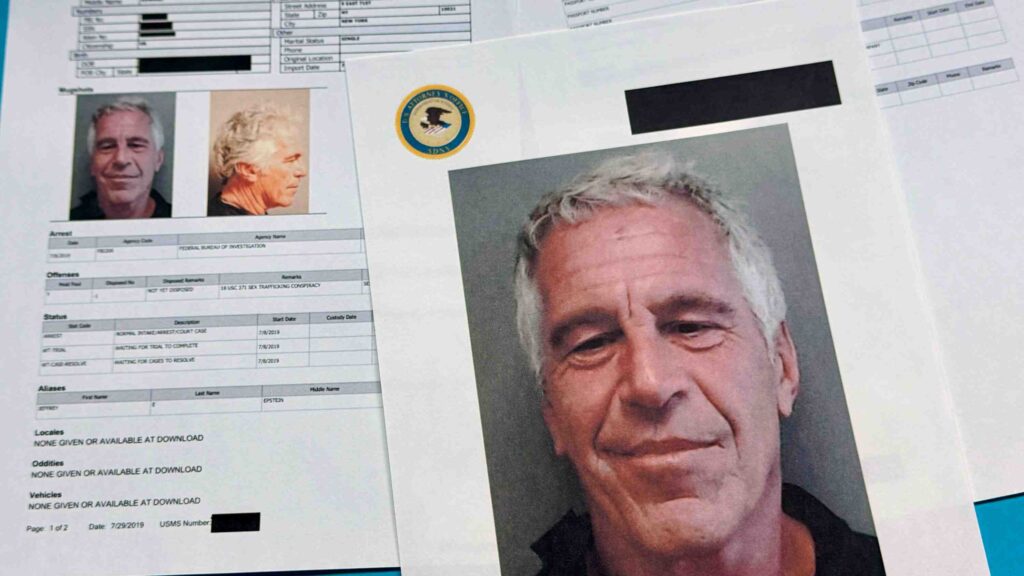

TikTok’s reaction videos and page-flipping clips have turned the latest Department of Justice document release into the week’s most shared true-crime ritual. The Epstein Files Transparency Act required the agency to publish millions of pages of investigative records, and the platform’s algorithm rewarded anyone willing to scroll on camera. The result is a steady supply of clips that promise revelations and a steady search spike for the phrase Epstein files doj.
Release scale and schedule
The law set a December 19, 2025 deadline and the DOJ answered with 3.5 million pages spread across two major tranches. One batch dropped on January 30, 2026 and included more than two thousand videos and one hundred eighty thousand photographs. Officials described the collection as a compliance step, yet some material was later withdrawn and other files remain under review.
Redactions covered victim identities, unverified tips, and duplicate records. The agency warned that some images and documents could be fabricated or submitted in bad faith. Despite those caveats, the sheer volume of searchable PDFs gave users a new raw feed to mine in real time.
Congressional pressure and separate FOIA suits continue. Lawmakers have asked for a special master to oversee remaining withholdings, and a federal judge declined that request in late January. The disputes keep the topic circulating even after the initial upload.
TikTok format and reach
Creators adopted a simple template: open the DOJ portal, type a name, and film the results. Page-turning close-ups, stitched reaction faces, and on-screen captions that claim “unredacted” text have accumulated millions of views. The algorithm favors short, high-contrast shots, so the documents themselves become the set design.
Some accounts built entire series around indexing the files, promising viewers they would read every page. Others focus on specific names or flight-log entries. The participatory style turns passive readers into co-investigators and keeps the hashtag in circulation.
Platform glitches added another layer. For several days, direct messages containing the word “Epstein” failed to send. TikTok said the problem was technical, not a content rule, yet the outage fueled extra clips about possible censorship.
Claims of hidden text
Users posted tutorials on recovering supposedly redacted passages through copy-and-paste tricks or external PDF tools. Clips circulated that purported to show payments to silence models or previously unseen property records. The DOJ has not confirmed any of those recoveries and continues to caution that some source material may be inauthentic.
Fact-check accounts on the platform pushed back, noting that many highlighted passages were already public in earlier court filings. The back-and-forth keeps both sides visible in the same feed and sustains engagement around Epstein files doj.
Academic observers point out that crowdsourced transcription can surface overlooked details, yet it also amplifies unverified claims. The platform’s discovery mechanics reward speed over verification, so the cycle repeats with each new file drop.
Names that surfaced
Among the newly released items were references to 23andMe kits sent by Epstein to public figures including Noam Chomsky and Woody Allen. The entries appear in email logs and carry no indication of criminal conduct. Still, the celebrity angle supplies quick-cut content that travels beyond true-crime circles.
Other documents list unverified tips that mention politicians and entertainers. The agency noted that many such tips were investigated and closed without charges. On TikTok those caveats rarely survive the fifteen-second edit.
Survivor advocates have urged viewers to treat every name as an allegation until corroborated. Their statements rarely trend as widely as the original name-drop clips, illustrating the uneven reach of context on the platform.
Physical and international echoes
Outside the app, volunteer groups set up reading rooms where bound printouts of the files sit on long tables. European investigators have requested assistance on leads that cross borders, and some governments report that the DOJ has not yet responded to those mutual legal assistance queries.
State attorneys general have discussed filing their own suits to compel fuller production. Those moves receive less attention than a single viral clip, yet they shape the long-term availability of the records.
Memorial installations and aggregator websites have also appeared, turning the digital release into a hybrid archive that users can visit offline. The physical presence reinforces the sense that the story continues beyond any single upload.
Content moderation questions
The temporary DM glitch prompted renewed debate about how platforms handle high-profile keywords. TikTok’s public statement emphasized that no policy bars the name “Epstein,” but users remain wary of future restrictions. The episode gave creators another reason to record and archive files locally.
Moderation teams face the dual task of removing doxxing material while allowing discussion of public records. The volume of uploads makes proactive review difficult, so most action occurs after complaints rather than before posting.
Researchers note that similar friction has appeared around other large government releases. The pattern suggests that scale, not subject, drives the moderation challenge.
Monetization and influence
Accounts that built followings around the files now field brand deals and newsletter subscriptions. Some creators sell downloadable indexes or annotated PDFs. The commercial layer sits alongside the original curiosity that drew viewers in.
News outlets monitor TikTok for emerging angles and sometimes incorporate user-found passages into traditional reporting. The flow runs both ways: mainstream coverage drives new searches, which in turn feed fresh clips.
Platform analytics show that interest spikes whenever a new tranche or lawsuit update appears. The rhythm keeps Epstein files doj in autocomplete suggestions weeks after the initial release.
Legal and political horizon
Additional lawsuits seek to narrow the categories of redacted material and to enforce the original statutory deadlines. Plaintiffs argue that victim privacy can be protected through targeted sealing rather than broad withholding. The DOJ maintains that its approach meets the law’s requirements.
Legislators on both sides have signaled continued oversight hearings. Those sessions will determine whether future releases expand or contract the current collection.
Until those questions are settled, the documents remain a living data set that TikTok can mine for new reaction material. The platform’s attention economy rewards any development that produces fresh pages or new disputes.
Platform culture meets public record
The episode shows how a statutory disclosure requirement collides with an attention economy built on rapid visual summaries. Millions of pages now sit behind a search bar that anyone can open on a phone. The format rewards speed and visual flair, not exhaustive context.
Viewers who want primary sources can still download the full set from the DOJ portal. Those who prefer guided tours will continue to find them in their For You feed. Both paths keep the records in circulation and the conversation moving forward.