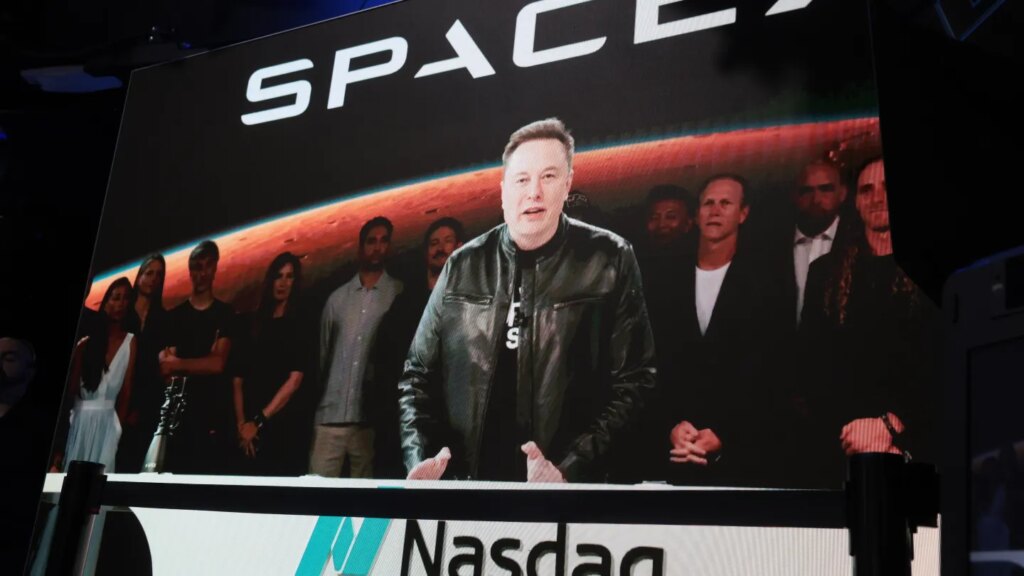

When it screened at the Venice Film Festival earlier this month, Musk got the kind of reception every international distributor dreams about. Attendees applauded enthusiastically for five minutes and saluted director Alex Gibney, even shouting “thank you” inside the festival’s Sala Grande for his hard-hitting investigation into the world’s richest man.
But despite that instant and reassuring focus group, Universal Pictures, which controls worldwide rights to the film outside of North America, now appears to be having second thoughts on a documentary it paid a significant sum to acquire. The company has not dated the movie, has rather unusually not communicated much with the filmmaking team about its plans, and generally appears to be rethinking the release of a project it once showed high enthusiasm for but that is now politically sensitive to parts of the Trump administration.
Two people with knowledge of the dynamic who were not authorized to speak publicly tell The Hollywood Reporter that while a final decision has not been made and that several outcomes were possible, they believed that Universal would ultimately decide against releasing the film and return rights to the movie to filmmakers.
When asked what its release plans were for the film, a Universal representative said it had no comment.
The movie is set to premiere in U.S. theaters via the independent Bleecker Street as well as play the London Film Festival next month; both are media-rich affairs that a studio usually times with a release in the U.K. and even across the European continent. But Universal has made no such plans. Gibney did not immediately respond to a request seeking comment.
If Universal opts against releasing the movie, it would mark an extraordinary reversal at a moment when media companies are already under scrutiny for bowing to political pressure. Amazon backed out of releasing Artificial as it got into business with Sam Altman’s OpenAI, while ABC News and Paramount/CBS News each paid millions to settle lawsuits with the Trump administration many legal experts felt would be quickly dismissed.
Universal would be required to pay filmmakers a kill fee not to release the movie, according to a person familiar with the deal’s structure. The filmmakers would then be free to sell it anew, essentially allowing it to profit twice off the same rights sale.
The film would not struggle to be seen around the world no matter what happens. Distributors in individual countries have been salivating over the film ever since the four-hour project began gaining buzz in recent weeks, first with a THR cover story and then with the Venice and Toronto festival premieres, but were of course told it was spoken for. Many would likely jump at a fresh chance to buy it in their territories. Still, the specter of yet another media giant paying a bounty to avoid angering members of the political right while also shelving a charged project for no legitimate creative reason would surely raise questions about the ability of conglomerates to protect free speech in an era when it is already under assault.
Musk is a politically explosive film that alleges, among other things, that its subject could be using data gathered during his DOGE period against Democrats in the upcoming U.S. election. In the film Gibney includes comments from Geoffrey Hinton, the Nobel Prize-winning godfather of AI, describing how that could play out. “It’s fairly clear to me that Trump is hell-bent on corrupting the midterm elections,” he says onscreen. “If you wanted to corrupt those midterm elections and you wanted to use AI, all you needed to do was get detailed information on U.S. citizens. And what DOGE did looked like just what you would do.”
While Donald Trump’s relationship with Musk has had his ups and downs, Musk has had a rock-solid relationship with FCC chair Brendan Carr, who had come to Musk’s defense when the Biden administration opened investigations into the mogul, has allegedly facilitated Starlink regulatory approvals and even posed for a praise-filled selfie with him. An FCC source who has worked closely with Carr said he privately reveres the tycoon. And Carr, of course, oversees an agency that wields enormous power over media companies and currently is conducting an investigation into Comcast’s DEI practices. Angering Carr with a Musk release could potentially bring more legal and regulatory headaches for the Brian Roberts-led conglomerate.
Universal bought the rights to Musk three years ago, paying a multimillion dollar price tag to release the film around the world. But the climate was very different in 2023, with Musk not yet aligning formally with Donald Trump and the 45th president — and Carr — far from the apex of power.
Musk has shown his disdain for Gibney’s film, repeatedly calling it a “hit piece” and saying it was “boring,” despite the fact that there are no indications he has seen it. His lawyer, Alex Spiro, has also sent a letter to Gibney’s production company putting it “on notice,” raising the temperature for potential distributors.
HBO snapped up North American TV and streaming rights back in 2023 and pressed Gibney to continue shooting when Musk arrived in Washington at the start of the Trump administration, even dipping into its coffers to provide more financing. For now the company is plowing ahead, though a sale of Warner Bros Discovery to David Ellison could complicate the picture. Ellison’s father Larry, who is partly bankrolling the WBD acquisition, is briefly cited in the film in an unfavorable light.
The earliest HBO could air the film is February given a four-month pay VOD window retained by the filmmakers. By February, Ellison could already control HBO and WBD.