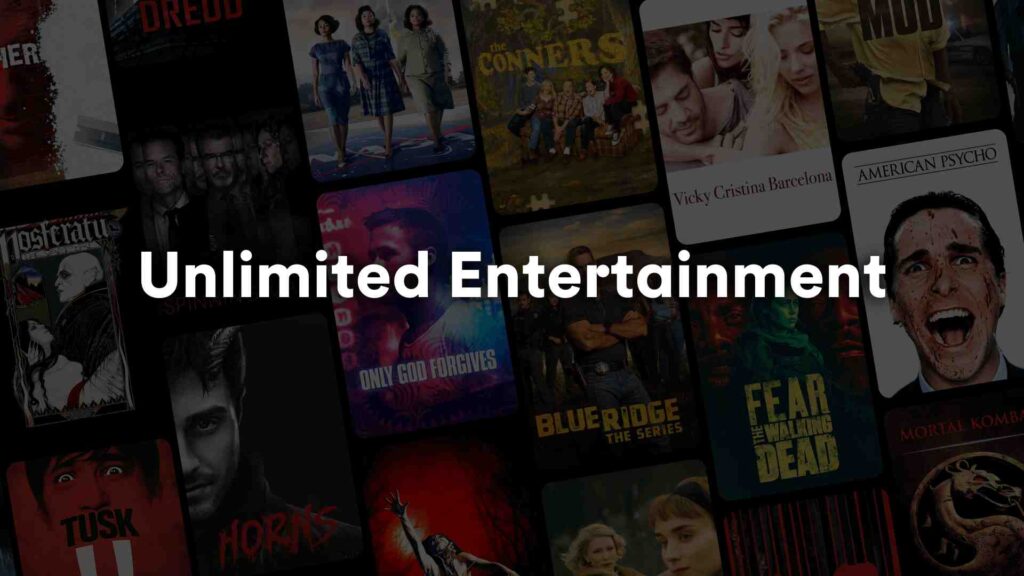

Households cutting cords and watching subscription prices climb want one question answered right now. Which free streaming service actually delivers the strongest on-demand library, the most useful live channels, and the best day-to-day experience without a credit card? The answer comes down to volume, freshness, and the way each platform stacks up against real viewer demands in 2026.
Tubi leads on volume
Tests that track how often a requested title shows up give Tubi a clear edge. One month-long trial found it covered roughly 80 percent of desired movies and shows, outpacing every rival. Its catalog sits well above 250,000 titles, and the service keeps adding original series and creator-driven projects that keep the slate from feeling static.
Recent additions such as Sesame Street episodes and horror anthologies signal that Tubi is not content to rest on licensed back-catalog alone. Monthly active users hover near 100 million, and the platform now ranks first in Parks Associates FAST service data. Viewers looking for quick access to cult classics, kids programming, or niche documentaries rarely strike out here.
The ad load stays light compared with older cable models, and no account is required for core viewing. That combination of scale and low friction explains why free streaming comparisons keep naming Tubi the default first stop for pure volume.
Pluto TV keeps the live feel
Pluto TV wins when viewers want the rhythm of traditional TV rather than hunting for individual titles. With more than 250 live channels and new feeds added regularly, the service delivers marathons, news blocks, and themed nights without extra clicks. Dedicated Star Trek and anime channels sit alongside recent additions like Pluto TV Pride and S.W.A.T. feeds.
On-demand content is smaller than Tubi’s but tightly curated around nostalgia and event viewing. Sports highlights, Cheers, and Frasier blocks appeal to people who miss the background hum of linear television. No signup is required, and the interface feels familiar to anyone who grew up flipping channels.
Pluto’s strength lies in its ability to run in the background while chores get done. It complements deeper on-demand libraries, yet it rarely matches Tubi when the goal is locating a specific film or episode on demand.
Roku Channel balances both worlds
The Roku Channel sits between the two leaders, offering roughly 80,000 titles and more than 500 live channels. It benefits from pre-installation on every Roku device and from a steady flow of originals and licensed MGM and Warner titles. Reader surveys from Cord Cutters News frequently list it among the top two picks for everyday use.
Its library is smaller than Tubi’s, but the integration with Roku hardware removes friction for millions of households already inside that ecosystem. Nielsen and Parks data show the service maintaining strong share among free platforms, especially for viewers who value convenience over exhaustive catalog depth.
For cord-cutters who want one app that covers both on-demand browsing and live channel surfing, the Roku Channel remains a practical middle option rather than the outright volume leader.
Amazon’s free tier stays niche
Amazon’s free content now lives inside the main Prime Video app under the Watch for Free section. Titles such as Jury Duty and Bosch Legacy rotate through, yet the selection feels narrower than standalone services. An Amazon account is required, which adds a small hurdle compared with Tubi or Pluto.
The rebrand from Freevee to an integrated tier has reduced its visibility in recent free streaming roundups. It still serves existing Amazon users who prefer to stay inside one app, but it rarely tops comparisons for pure library strength or discovery.
Viewers outside the Amazon ecosystem generally skip this tier and head straight to the larger standalone libraries.
JustWatch TV enters the race
JustWatch TV launches in October 2026 with ad-supported free tiers and paid rental options. Paramount, New Regency, and Fremantle titles are already lined up, giving the service an instant mix of mainstream hits and hard-to-find indies. The platform aims to combine discovery tools with direct streaming, a feature that could appeal to users tired of bouncing between apps.
Early positioning suggests it will target both U.S. and select international markets at launch. Its multi-tier model offers flexibility, yet it remains untested against the established scale of Tubi and Pluto. Cord-cutters will watch whether the curation and search features justify switching habits.
For now it functions as a promising newcomer rather than an immediate volume leader.
Library cards still matter
Kanopy and Hoopla remain strong supplements for viewers with public library cards. These services deliver ad-free arthouse films, documentaries, and classics that commercial FAST platforms rarely carry. The trade-off is eligibility requirements and monthly checkout limits.
Cinephiles often keep one of these apps installed alongside Tubi for nights when they want deeper or more curated selections. They do not replace the broad reach of ad-supported services, but they fill specific gaps.
Budget-conscious households treat them as occasional upgrades rather than daily drivers.
YouTube fills random gaps
YouTube’s free movies and TV section offers full-length licensed titles alongside user-uploaded content. Quality and availability vary, yet the platform remains useful for obscure classics or quick background viewing. It rarely ranks at the top of structured free streaming comparisons because the experience feels less organized.
Still, many cord-cutters keep the app handy for moments when a specific title appears only on YouTube. Its ad-supported model aligns with the free streaming trend, even if the catalog lacks the polish of dedicated services.
Viewers treat it as a backup rather than a primary destination.
Real-world usage patterns
Parks Associates data shows Tubi, Pluto, and the Roku Channel occupying the top three spots in monthly active users among free services. Tubi leads on pure title requests, Pluto wins for live channel loyalty, and Roku benefits from hardware convenience. These rankings hold across multiple 2026 surveys.
Households often install two services rather than one. Tubi handles on-demand depth while Pluto supplies the live feed experience. The combination delivers most of what traditional cable once offered without monthly fees.
JustWatch TV’s October launch will test whether a new curation-focused entrant can shift these habits.
Choosing what fits now
For most U.S. viewers seeking the single strongest free streaming library today, Tubi remains the clearest choice on volume, freshness, and device access. Pluto TV and the Roku Channel serve distinct needs around live viewing and hardware ease. New entrants like JustWatch TV may add pressure, yet the current leader shows no signs of slowing its content expansion.