Jane Schoenbrun wants the gig, and Paramount needs a director for their Nightmare on Elm Street remake. Here’s why and how it needs to happen…
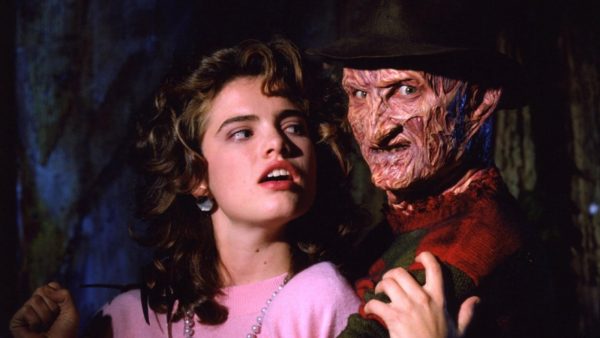
Jane Schoenbrun’s cinema has managed to harvest a cult following and critical acclaim, even if their big breakout sophomore feature I Saw the TV Glow, proved divisive among the general public. Schoenbrun’s latest film, Teenage Sex and Death at Camp Miasma, has been a little more widely appreciated by the public whilst being no less filled with the filmmaker’s idiosyncrasies and creative leaps. The film isn’t merely an audition piece for a stab at one of horror’s most legendary icons; it’s a piece of work that should have Schoenbrun’s name carved in stone as the director, rather than a conventional contract.
Camp Miasma covers staple (so far) Schoenbrun themes of identity and existential angst, as well as ample nostalgia for the weird and wonderful that TV and film have given us over the past 40 years. Like, I Saw the TV Glow; it’s a vision that Schoenbrun fires upon us with almost foolhardy disregard for genre conventions and mainstream pandering. Camp Miasma is gleefully anti-commercial, or at least what executives and distribution companies deem commercial. The truth is, the cult fandom that Schoenbrun has already accrued, and the many more they will gain with the latest slice of creative bravura, relish fresh vision. Weird, quirky cinema is more appealing and popular than a suited company executive might wish to believe. The question, I guess, is: do the suits at Paramount have the bravado to greenlight a full-on Schoenbrun Nightmare (on Elm Street)? Possibly not, but they really should.
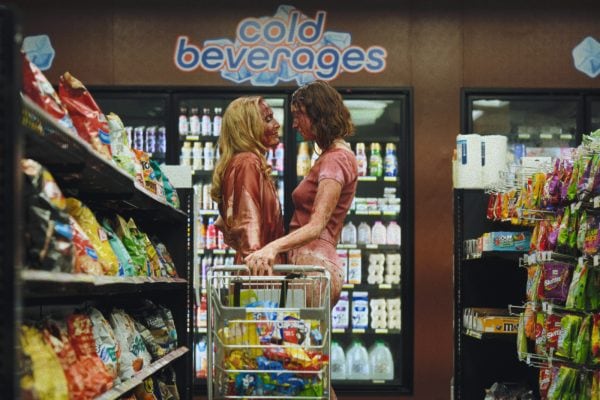
Camp Miasma is razor-sharp and brilliantly satirical about movie-making from the top to the filmmakers trying to make things happen at the bottom. At the same time, it’s also a love letter to trashy B-level horror from the video era. If you’ve ever watched a more obscure horror franchise and wondered if a fresh-faced star ever worked again (and if not, why), then Schoenbrun takes a warm-hearted look at the answer.
Ironically, at Flickering Myth, one point of interest with our film, The Baby in the Basket, was the casting of Annabelle Lanyon, who featured prominently in Ridley Scott’s Legend but seemed to disappear from the mainstream, bar the odd culty role after. To most, the name won’t register, but to aficionados and diehard fans of Legend, it’s a point of interest to see her pop up in something new to answer that question of where she’s been (I’ve since cast her again, and she’s in FM’s next feature film, Robert Returns). These are the sort of things obsessive fans of cult cinema wonder about, and what the protagonist in Camp Miasma is fascinated by as she tries to lure an OG franchise star who disappeared into obscurity after Camp Miasma (the titular, faux franchise Schoenbrun creates for the film about a film).
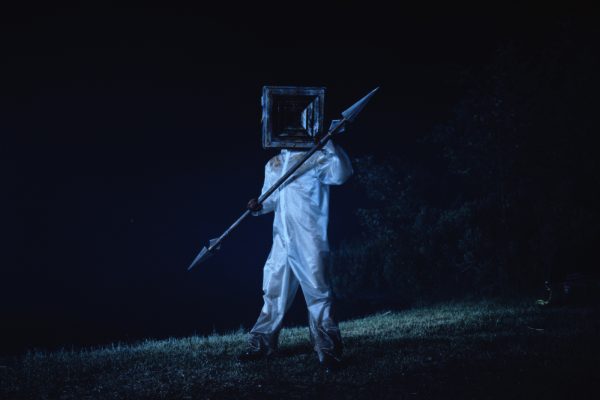
The observations within the film about film and filmmaking and cult fandom are all brilliant. Which is probably why the film spoke to me. Indeed, the depiction of a group Zoom script meeting/pitch with writer/director Kris (Hannah Einbinder) and the panel of studio execs and assistants rang so true to the same meetings I had, minus the final payoff of that scene. I’ve been on that call, though, and the character mix also rang so true. It’s these sharp observations that give Schoenbrun a real edge. The mechanics behind bowing to trends, markets, and commercialism to people who often don’t really understand film nearly as much as they understand the bottom line, and yet the filmmaker can’t exist without them. I should imagine there’s plenty of Schoenbrun’s own character within Kris.
Above all though, Schoenbrun’s film, much like Mandy (Panos Cosmatos) and The Lighthouse (Robert Eggers), is unapologetically idiosyncratic. As I said, almost to the point of being foolhardy, which is also referenced in the film itself. Meta movies can often come across as smug and too pleased with their own existence, but not so with Camp Miasma, which feels organic. Still, to truly subvert so many cinematic elements whilst going meta requires an understanding of what you’re satirising and being self-aware. Schoenbrun gets horror cinema, its tropes, its villains, its underlying themes (both intentional and adopted through reappraisal and analysis), and its problematic elements in older IPs. The script is brilliant, able to dance between tones, be funny, fantastic, heartfelt, and more (again, key strengths Schoenbrun could bring to the Nightmare reboot).
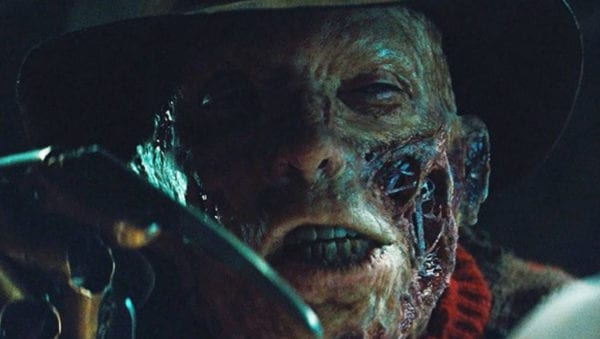
The last attempt at a reboot for the iconic Freddy franchise was dire. It dedicated too much attention to mimicking sequences from the original but far less effectively. Its attempts at redesigning the look of Freddy also failed. The most disappointing aspect was just how generic it all felt coming after a franchise that was a veritable gumbo mix of styles. Craven’s original executed all those iconic moments brilliantly, with creative solutions to budgetary restrictions, without sacrificing ambition. Kruger coming out of the wall, the bathtub, Tina climbing the walls and ceiling whilst being brutally savaged, and Johnny Depp having the worst experience on a bed up until finding Amber’s deuce. What followed was a sequel both adopted and rejected by the Queer community that’s become the biggest point of critical study in the franchise, and Freddy’s transition to a more kid-friendly merchandise machine with the fantasy theatrics of Dream Warriors and the music video stylings of The Dream Master. Of course, by the sixth film, you added the obligatory 3D film.
Freddy is fantastical and bold. Craven, as adeptly as anyone, captures the feeling of a nightmare. The third and fourth films captured the fantasy of fever dreams too. The nature of nightmares as a key component allows so much creative freedom, something which (if given) Schoenbrun would relish. We don’t need a straight reboot that recreates the glove out of the bathtub or those aforementioned sequences (because no one will do them half as well as Wes). We don’t necessarily need a full-on queer-coded one, because regardless of how much intent there was, Freddy’s Revenge provides it (though many can debate how positive or negative it is). We don’t need a full-blown meta version because it’s also been done with A New Nightmare. Still, you want to use some ingredients here and there. Some dashes of nostalgia. Ultimately, though, a fresh and interesting take would be the best approach. It needs to have the courage to divide, maybe even repel fans for being a proper auteur vision (see Universal Soldier: Day of Reckoning for a good example) rather than a franchise-adhering piece of fan service.

That is the biggest reason Schoenbrun is perfect for the job. It’s down to an ability to make a film, in an era where so much feels stale and familiar, that is fresh and exciting to those who vibe with it. It’s daring to push viewers away on the gamble that the ones you latch onto will fall in love with the film and make it more than disposable. More than the next safe, unadventurous reboot. Let’s face it, if playing it safe ends with almost universal hate anyway (like the 2010 remake), then why not aim for the pockets of viewers who will show the film some adoration? Curiosity will naturally bring plenty of viewers, but cult fandom will keep people watching in decades to come. Then go further and give Schoenbrun the final say on casting, and for the love of all that is holy, cast Gillian Anderson somewhere in the picture. It also needs an exploding budgie.
Would you like to see Jane Schoenbrun’s vision of A Nightmare on Elm Street? Let us know on our social channels @FlickeringMyth…
Tom Jolliffe