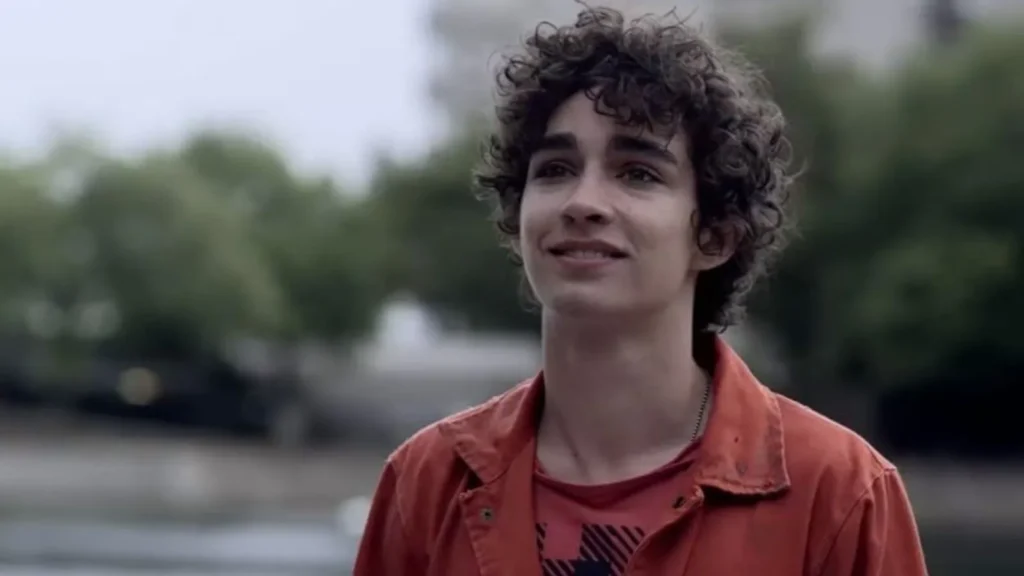

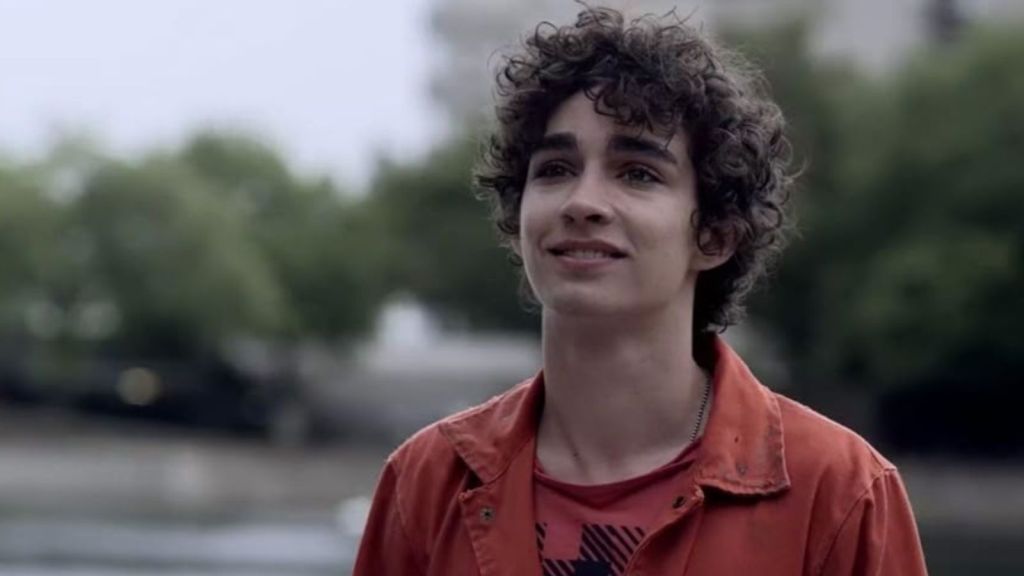
Misfits, Nathan Young
Robert Sheehan’s Nathan was such a huge part of Misfits’ early appeal that losing him seemed nearly impossible to overcome. Rudy arrived with an entirely different personality and eventually became central to a new version of the group rather than simply trying to imitate Nathan.
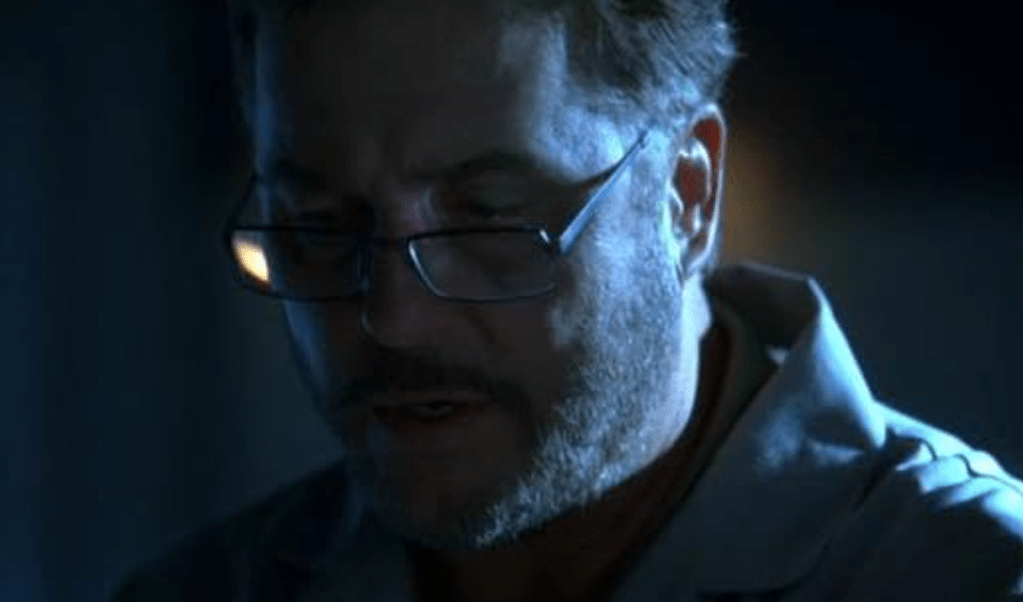
CSI, Gil Grissom
William Petersen’s Grissom was the calm center of CSI for most of its first nine seasons. His departure forced the procedural to rely more heavily on its ensemble and introduce new leadership, allowing the series to keep evolving instead of remaining permanently built around one investigator.
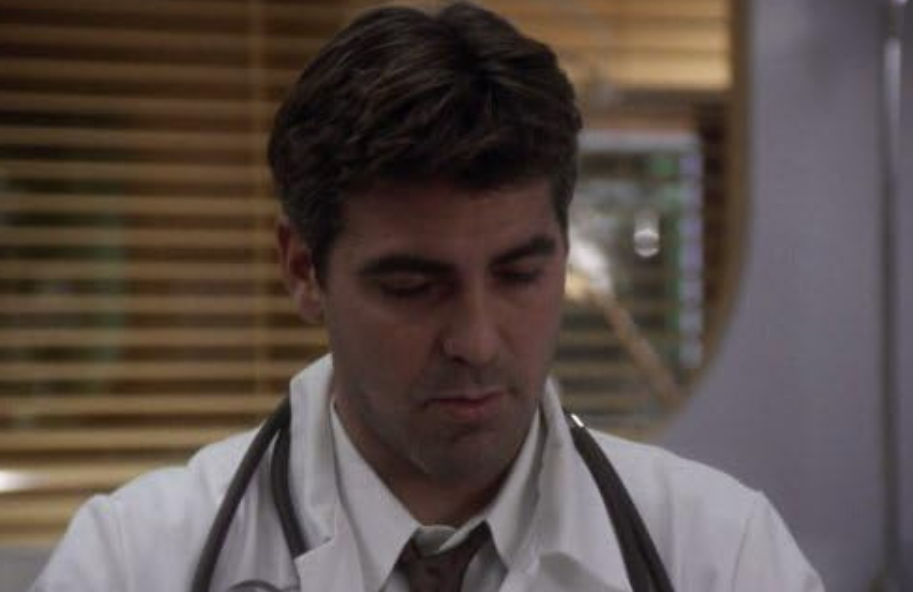
ER, Doug Ross
George Clooney had become one of ER’s biggest stars by the time Doug left County General, but the hospital was always bigger than any single doctor. His exit created more room for other characters and helped prove the show’s revolving-door ensemble could sustain entirely new generations of stories.
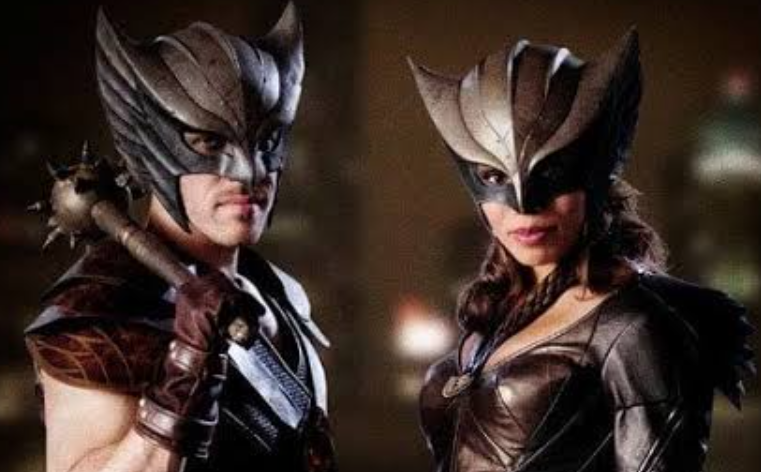
Legends of Tomorrow, Hawkman and Hawkgirl
The Hawks and their battle with Vandal Savage drove much of Legends of Tomorrow’s first season, but that mythology also kept the show tied to a fairly rigid mission. Once they were gone, Legends embraced time-travel absurdity, bizarre adventures, and the chaotic ensemble energy that became its real personality.
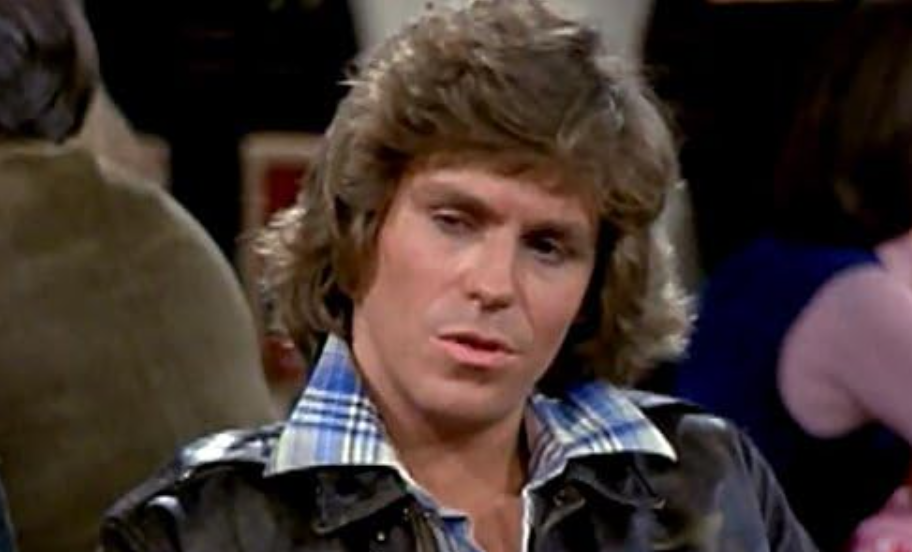
Taxi, Bobby Wheeler
Jeff Conaway’s Bobby began as one of Taxi’s central young characters, but the ensemble had much stronger personalities waiting for more screen time. After his departure, characters played by Danny DeVito and Christopher Lloyd became increasingly important to the show’s distinctive comedy.
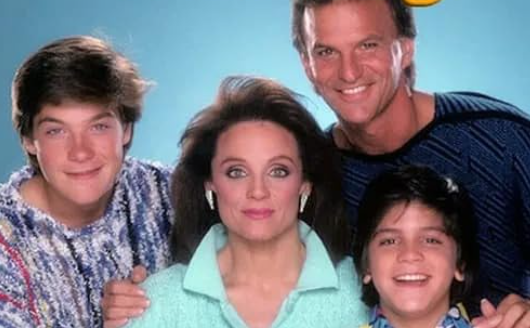
The Hogan Family, Valerie Hogan
This one managed something few shows could survive: losing the character whose actress originally gave the series its title. After Valerie Harper’s departure, Sandy Duncan joined as the boys’ aunt, the show was eventually renamed The Hogan Family, and the reworked version continued for several more seasons.