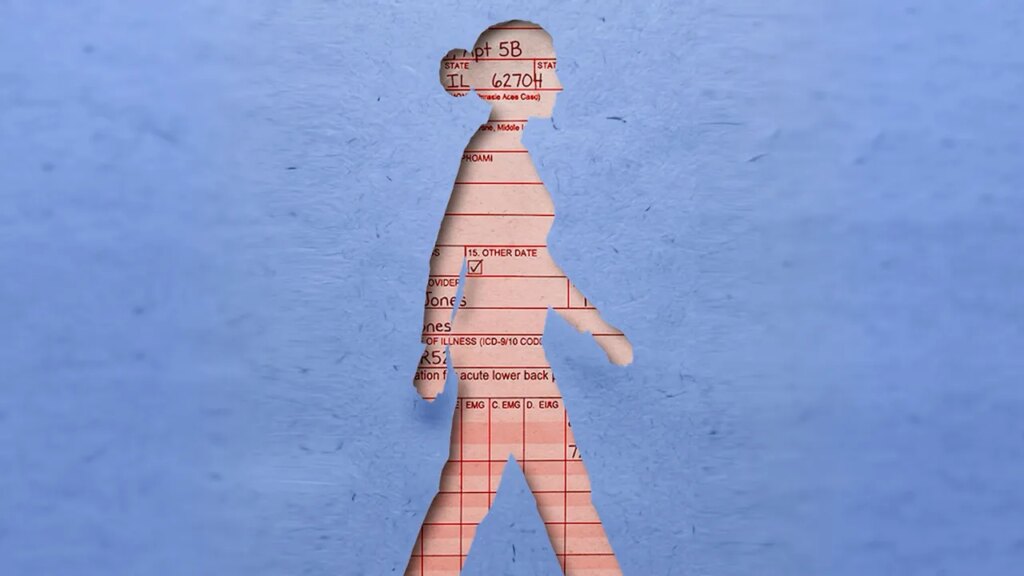

In the summer of 2024, my oncologist called with bad news. The news was from my insurance company.
“They won’t pay,” she said.
The October before, I had been diagnosed with breast cancer at age 36. Throughout treatment, the news grew worse: The cancer had spread to my lymph nodes, a second tumor was found, radiation was recommended, but would permanently deform my body. Chemotherapy would likely render me infertile, I learned in November on page 37 of a 38-page waiver the night before starting. Hormone therapy put me into menopause in December, and also made me suicidal, which was apparently an unfortunate side effect sometimes. Despite wearing a cap chilled to 15 degrees for several hours at every infusion, my long red hair fell almost entirely out by January, taking with it any part of me that still felt like a woman at all.
By February, the tumor wasn’t shrinking enough. In March, surgery would need to be aggressive, and in April, it was. May brought more bad news: My initial biopsy missed a pathology that made my tumor more aggressive, and I now needed a year of targeted therapy, which was best loaded with chemo. “More chemo?” I numbly asked my oncologist, reaching for the tender shoots of hair that had just begun to regrow: one inch down with 24 to go. Typically brisk, my oncologist was tender. “There’s good news,” she said. “We can use a much milder chemo this time.”
But now my insurance company was saying we actually couldn’t. The standard of care was Taxol, a devastating chemotherapy I had already been through, with side effects including memory loss, neuropathy, total alopecia, nausea, vomiting, and dangerously elevated liver enzymes. My oncologist had appealed the company’s denial multiple times, but the standard of care was all they would pay for. If I tried to pay for the milder chemo myself, the company would not pay for the targeted therapy, which was $18,000 a shot, times 18 cycles. “Can you tell them I’m threatening to refuse further care?” I asked. “That would be cheaper for them,” she said softly, and it took me a minute to realize she meant if I died.
“We need to get going,” she added. Every week of lag time carried with it an increased risk of recurrence, and due to the company’s denials, we had already lost almost a month. I hung up, liquid with rage. All year I had been surrounded in the hospital by so much suffering that no one could stop: cells metastasizing, unresponsive malignancies, the inexorable spread of these microscopic merchants of death. Please, we had all begged our doctors. But you cannot appeal to a tumor’s humanity. There are no words to make it soften, or respond with mercy. And now my health insurance company was acting like a tumor—as if there was nothing they could do to spare me more brutality, simply because of rules they themselves had made up. Did they not know about all the truly unstoppable suffering?