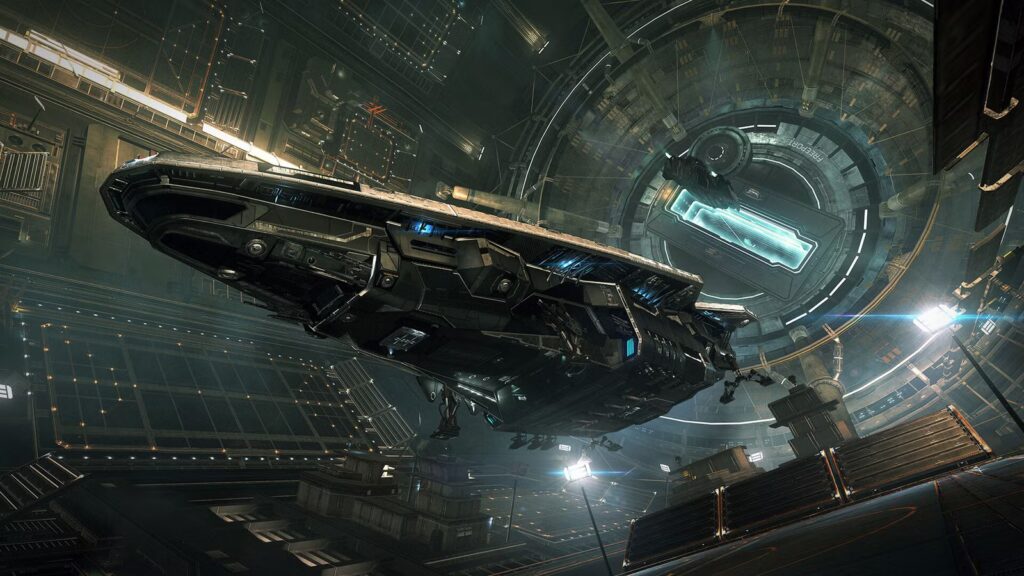

Hard sci-fi puts the science in science fiction, bringing a dose of realism into larger-than-life stories. The best sci-fi games, like Elite Dangerous, feel grounded despite their fantastic premises, with an emphasis on believable technology and real-world physics that makes the game feel plausible.
While science fiction doesn’t have to be realistic to be interesting, these games show just how compelling hard sci-fi can be, with details like real topographical data from NASA taking the entire game to the next level. These games span many genres, from city building to mystery, but they’re all shining examples of science fiction.
The Invincible Is Based On a Hard Sci-Fi Novel

Based on Stanisław Lem’s renowned 1964 hard sci-fi novel of the same name, The Invincible follows astrobiologist Yasna as she explores Regis III in search of her missing crewmates. The mystery unfolds as she traverses the planet’s sweeping vistas and dangerous terrain, with strong voice acting helping drive its exploration-focused gameplay.
What makes The Invincible stand out is its scientific approach to exploring alien life and the ethics surrounding discovery. Yasna and her crew are deeply committed to their research, sometimes valuing the knowledge they uncover over their own safety. This creates a fascinating examination of humanity’s desire to understand the unknown.
Kerbal Space Program Is a Silly Simulator With Realistic Science

Kerbal Space Program has a wonderfully absurd premise, putting the Minion-like Kerbals into a rocket, and letting players decide what happens from there. That may be the elevator pitch, but the game offers so much depth that even players with advanced knowledge of aeronautics can find themselves challenged.
At its core, Kerbal Space Program is a detailed spaceflight simulator with multiple modes. Players can build ridiculous rockets or engage seriously with its aerodynamics and orbital physics, using maneuver nodes and carefully planned trajectories. It can be as silly or as technical as players want, and that flexibility is a huge part of its appeal.
Observation Is a Hard Sci-Fi Thriller

Narrative thrillers often hook players with a central mystery before unfolding through twists and revelations. Observation takes place aboard the space station of the same name, where most of the crew are missing or dead. Players control the station’s AI, S.A.M., who helps Dr. Emma Fisher uncover what happened.
Playing as S.A.M. means interacting with the environment through the station itself, including its computer systems, surveillance cameras, and logs. The setting draws inspiration from real-world space station design, grounding its technology in familiar ideas while exploring the possibilities of future space travel and the unease of confronting the unknown from an artificial intelligence’s perspective.
Children of a Dead Earth Uses Real-World Physics

Children of a Dead Earth boldly claims to be the most scientifically accurate space warfare simulator ever made, and it lives up to that promise. At its core, it’s a space combat sim built around realistic physics, but nearly every piece of technology available for ship construction is grounded in real-world science.
Its nuclear thermal rockets and magnetoplasmadynamic thrusters are modeled using engineering principles drawn from textbooks and research papers. Children of a Dead Earth also simulates the solar system at a 1:1 scale and places heavy emphasis on orbital mechanics, with a level of technical depth rarely seen in space combat games.
|
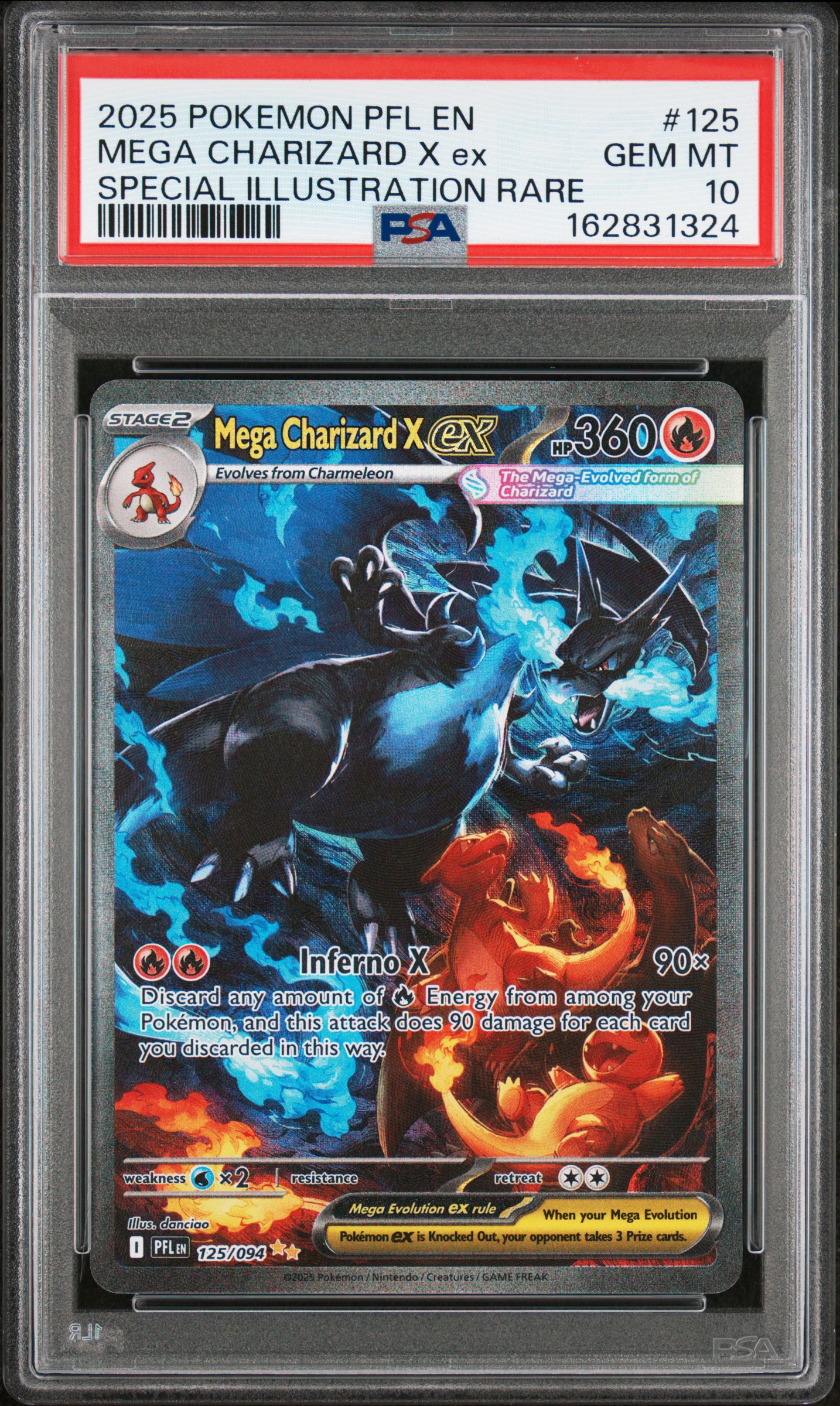
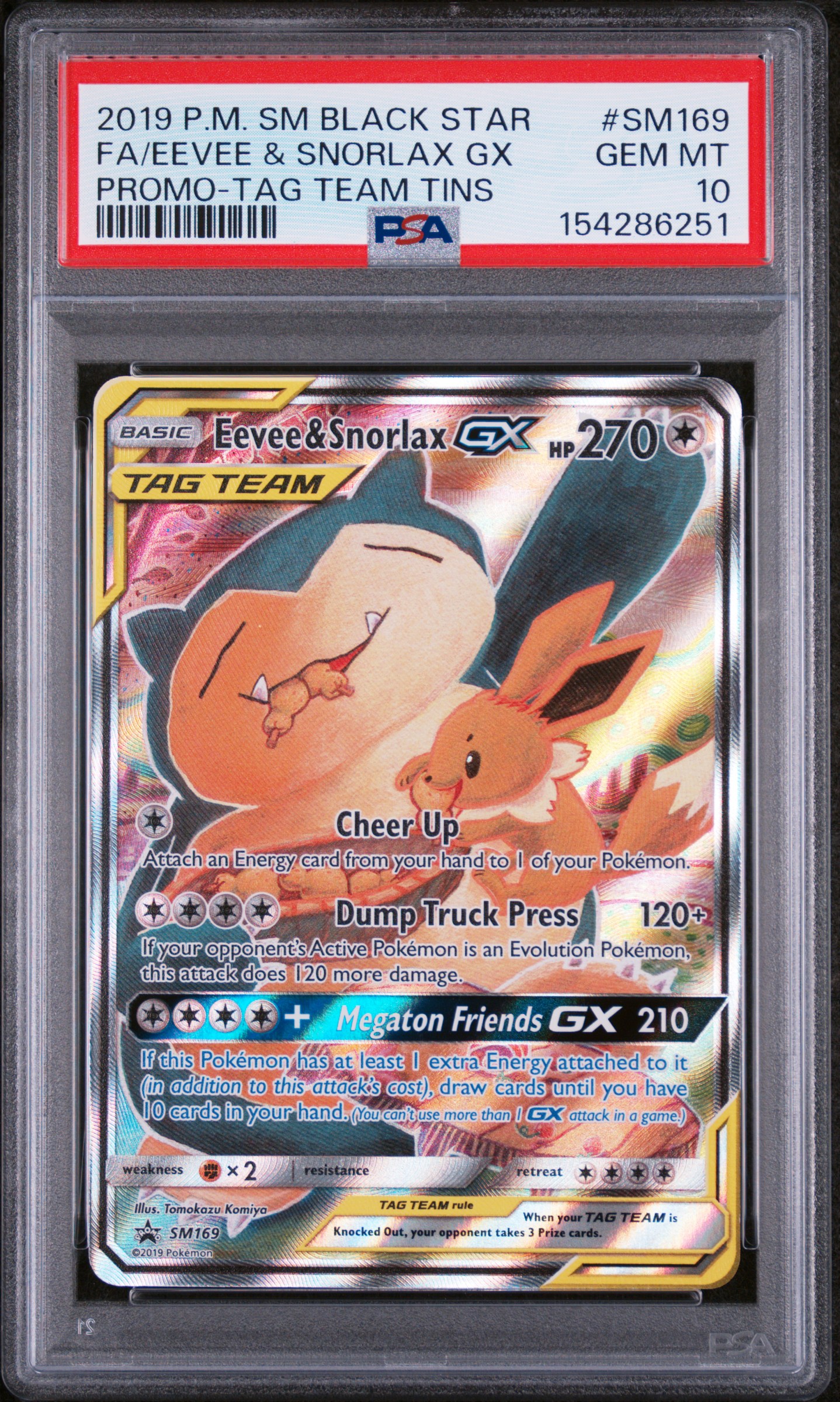
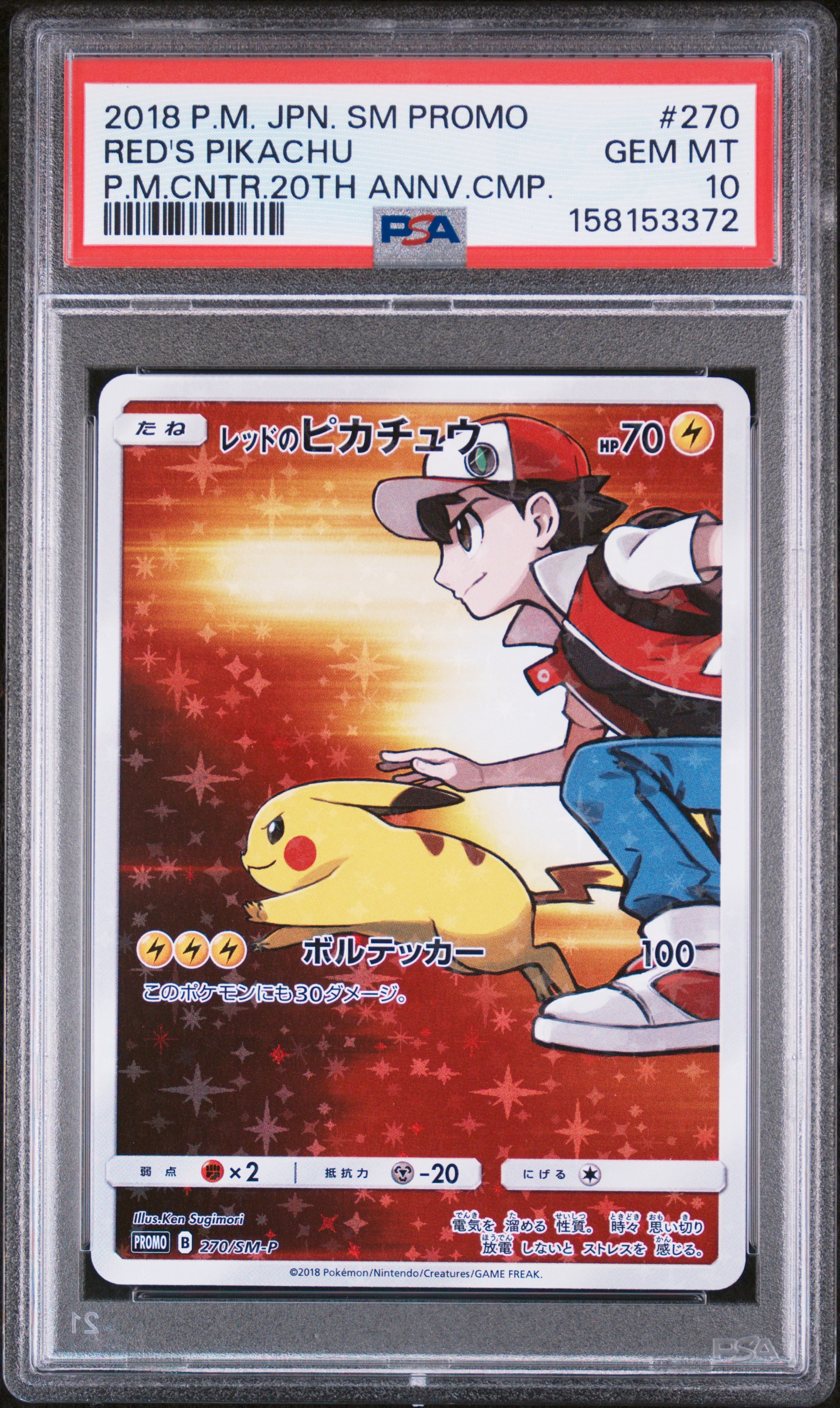
NEW Latias & Latios GX Full Art Team Up · PSA 9 Card value $5,319 Gardevoir & Sylveon GX Full Art Unbroken Bonds · PSA 10 Card value $4,870 Mew ex Special Illustration Rare Paldean Fates · PSA 10 Card value $2,365 Mega Charizard X ex Special Illustration Rare Phantasmal Flames · PSA 10 Card value $1,960 Eevee & Snorlax GX Full Art SM Black Star Promo · PSA 10 Card value $2,382 Pikachu ex Special Illustration Rare Ascended Heroes · PSA 10 Card value $2,258 Red’s Pikachu Japanese Pokémon Center 20th Anniversary Promo · PSA 10 Card value $1,392 |
Terra Invicta Is Like a Hard Sci-Fi Version of Risk

Developer Pavonis Interactive built its reputation creating XCOM mods before making Terra Invicta as its first standalone game. The gameplay resembles a galaxy-wide game of Risk, with players choosing a faction, gathering resources, researching space travel, building forces, and managing political relationships.
Its hard sci-fi appeal comes less from futuristic weapons than from long-term planning. Every conflict can have lasting consequences, so knowing when to fight and when to negotiate is essential to succeeding in Terra Invicta. Even fans of the best strategy games will find themselves challenged by its deeply tactical gameplay.
Per Aspera Is a City Builder On a Planetary Scale

Per Aspera labels itself as a city-builder, but it’s actually much more than that. The gameplay takes things to a planetary scale, tasking an advanced AI with terraforming Mars and uncovering secrets hidden beneath the surface. Thanks to its scope, Per Aspera can rival even the best city builders of all time.
What firmly places Per Aspera in the hard sci-fi genre is its use of actual NASA topographical data and realistic technology upgrades inspired by terraforming research. The game focuses on the future of humanity’s interplanetary exploration and the interconnected resources required to make it possible.
Elite Dangerous Simulates the Milky Way Galaxy

Elite Dangerous is a space trading and combat simulator that lets players live out their own Han Solo-style fantasy. Its open-ended structure encourages players to take on jobs, trade goods, explore distant systems, or fight for different factions in one of the greatest open-world games set in space.
The game features a full-scale representation of the Milky Way with roughly 400 billion star systems, many of them procedurally generated. With multiplayer support and compatibility with elaborate flight-simulator setups, Elite Dangerous can become as immersive as players want it to be.
Citizen Sleeper Is a Sci-Fi Take On Office Politics

Citizen Sleeper follows a digitized human consciousness inhabiting an artificial body known as a Sleeper. That body was designed with planned obsolescence, leaving the player in a constant struggle to survive. Each day provides a limited number of dice that can be assigned to tasks, forcing players to decide how to spend their time.
Although Citizen Sleeper incorporates randomness through its dice system, it’s primarily a narrative-driven sci-fi game. Multiple storylines unfold across the space station Erlin’s Eye, and there are too many to fully explore in a single playthrough. How players spend their limited time can determine which relationships and opportunities develop over the course of the game.
Hacknet Reminds Is the Ultimate Hacking Simulator

In the 2015 game Hacknet, players take on the role of a nameless hacker who receives instructions from Bit, a hacker whose death may not have been an accident. This eventually builds into a tense investigation that sends players down a rabbit hole of digital clues and increasingly dangerous secrets.
What makes Hacknet unique is how closely its mechanics imitate computer hacking. Much of the story unfolds through emails, while players interact with systems using a terminal and typed commands. Different tools take time to execute, turning some encounters into races against the clock as players try to bypass firewalls and choose the right program for each job.
Hardspace: Shipbreaker Lets Players Mine Out a Massive Debt

Work-like sims have become increasingly popular thanks to breakout hits like PowerWash Simulator and House Flipper, but Hardspace: Shipbreaker has flown under the radar. Players take the role of a shipbreaker working for the massive LYNX Corporation, where they dismantle spaceships piece by piece to pay off an enormous debt.
Once players get through their first few ships, the work settles into a satisfying rhythm. Fuel lines need to be disconnected, cabins safely depressurized, and valuable components removed before cutting begins. The game does have a story told through audio messages and emails, but the main appeal is learning how to efficiently sort each vessel into salvage and valuable parts.