opens with a quote from an unusual source.
Veteran journalist Frank Connolly, whose work played a key role in exposing political, corporate, and police corruption in the late 1980s and early 2000s, references a song by Gen Z darling CMAT.
is a threnody for the broken dreams of the generation who came of age during the recession, and in using it Connolly makes his intentions clear.
aims to draw a straight line from the scandals that categorised mainly Fianna Fáil-led governments for two decades to contemporary hot-button issues, from housing to climate protection and even Palestine.
Connolly’s reportage led to watershed moments in recent Irish history, culminating in the Mahon/Flood tribunals into planning and payments to politicians and the Morris Tribunal into police corruption.
Looking at modern Ireland, with a housing crisis and a resurgent Michael Lowry, Connolly feels it’s time for a refresher course.
Stories of envelopes exchanged pubs and Mafiosi-like politicians are familiar, but they still shock.
Connolly’s forensic attention to detail and capacity as a storyteller translate complex graft into compelling reading.
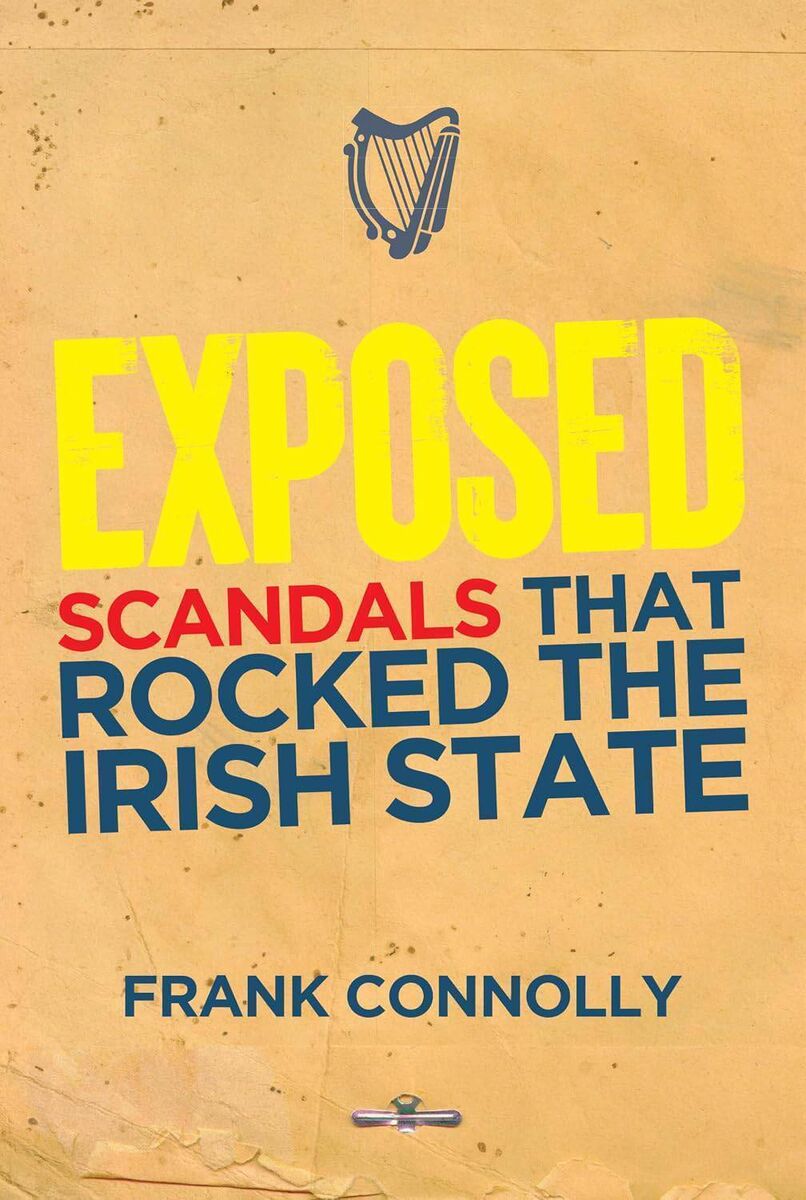
The Kafkaesque experiences of property developer Tom Gilmartin are particularly evocative.
Hoping a donation to Fianna Fáil will move a project along, he writes a cheque and asks to whom he should make it out. “Don’t,” comes the oily reply, “just leave it on the desk.”
Ultimately, is more effective as a historical treatment than as a diagnosis of modern Ireland.
Planning corruption is one thing, but the connection between P Flynn and the “current complicity in … genocide” requires more than just stating it.
Connolly also leaves some of the most interesting questions unanswered.
What was it about the Ireland of the time that allowed corruption to become so endemic? And, perhaps more optimistically, how far have we come since?