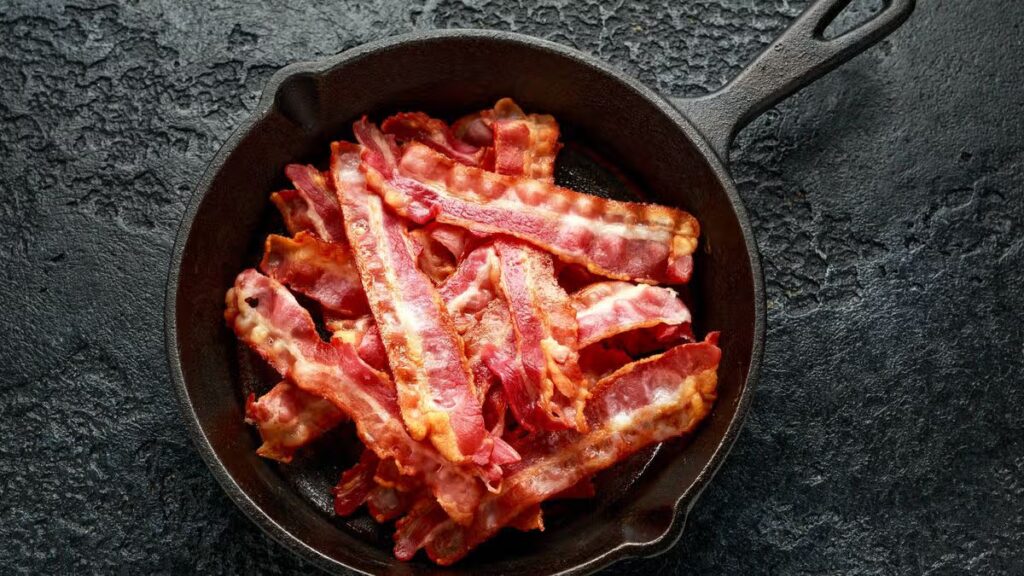

A cooking teacher says that ditching oil for a simpler and more accessible ingredient when cooking bacon can produce crispy, tender meat with less mess

A cooking teacher says that ditching oil for a simpler and more accessible ingredient when cooking bacon can produce crispy, tender meat with less mess(Image: DronG via Getty Images)
Bacon is a beloved breakfast staple, typically prepared on leisurely mornings when a generous, buttery sandwich is just the thing to kick off the day. However, cooking it in oil can frequently result in burnt rashers.
While frying bacon may seem the obvious choice, it often leads to grease spattering across the hob, the kitchen filling with smoke, and a pan that requires a considerable amount of scrubbing afterwards.
Although oil is the most widely used method for cooking bacon, it actually causes it to cook too rapidly, meaning the edges can burn before the pink centre is properly cooked through. This frequently produces bacon that is simultaneously charred, soggy, and excessively greasy, as the oil tends to overwhelm the meat’s natural flavour.
However, Chuckie Hessong, a cookery class instructor and founder of Laughing Rooster Eats, has revealed there is a far simpler approach, suggesting that bacon turns out considerably better when cooked in water rather than oil, reports the Express.
Chuckie said: “Boiled Bacon creates a meaty, crispy, tender bacon – every time without making a big ol’ mess of my stove or stinking up my house, hair, and clothes.”
While cooking bacon in water may sound rather peculiar, adding just a modest amount of water to the frying pan can actually help achieve a crispier result and make the entire process considerably more straightforward. Bacon contains a significant amount of fat, which should naturally melt away from the meat during cooking, allowing the bacon to essentially cook in its own juices.
However, when oil is added to the pan, the white fat tends to cook more rapidly than the pink meat, resulting in charred edges before the centre of the bacon is fully cooked through.
Water helps to slow the cooking process just enough to allow the fat to render properly, meaning every part of the bacon cooks evenly, leaving it perfectly caramelised once removed from the pan.
It simply prevents the bacon from burning, improves its texture considerably, and stops the oil from scorching the pan, meaning you will not be left scrubbing away at the dishes after cooking your breakfast.
How to make tastier bacon
To begin, place the bacon in a cold frying pan, and do not worry if the rashers overlap or touch one another, as they will shrink during cooking.
Add a small amount of water to the pan — just enough to barely cover the bacon, but take care not to add too much, as this will cause it to boil rather than fry.
Place the pan on a high heat until the water starts to bubble, then reduce to a medium heat and wait for all the water to evaporate.
Wait for the bacon to begin sizzling, then allow it to cook for approximately two minutes until it reaches your desired level of crispiness. Flip the bacon halfway through to ensure the other side cooks evenly.
Once the bacon has finished cooking, remove it from the pan and place it onto a buttered roll or slice of bread. The bacon ought to be golden-brown, juicy, and significantly more flavoursome than it typically is.