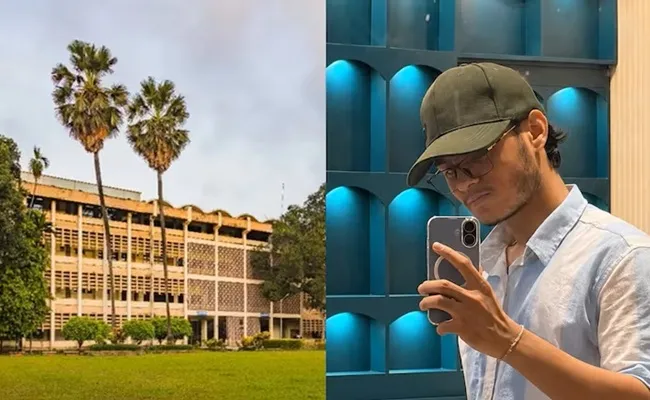

The latest death of an IIT Bombay student has again raised serious questions about student mental health. The report says this was the fourth suicide at IIT Bombay in seven months.
It also notes 74 student suicides across IITs between 2021 and 2026. These numbers show that academic success alone cannot guarantee emotional well-being.
American colleges have increasingly made mental health an important part of campus life. Many provide counselling, peer support, wellness programmes and trained mentors. India urgently needs a similar approach in schools and colleges.
Students face exam pressure, bullying, insults, loneliness, relationship problems and family expectations.
Girls may also experience emotional and physical difficulties during menstruation or PCOD factors. Boys can struggle silently because they may fear being called weak or perceived themselves as those who cannot compete with the world. These experiences can affect confidence and mental health.
Another concern is low self-esteem among young people. Some may try to gain acceptance through expensive brands, fashionable lifestyles or social-media attention.
Buying costly products is not itself a mental-health problem. However, when self-worth becomes dependent on possessions or public approval, it deserves attention.
The recent iPhone 18 launch offers an interesting example. Youngsters stood in long queues even though the phones were also available through online channels and quick delivery services.
Such behaviour should not automatically be called a sign of poor mental health. People may queue because they enjoy the experience, want to be first, or simply love technology.
Still, the larger question is important. Why do some young people feel such a strong need to display status?
Indian education must therefore teach emotional strength alongside academic achievement. Regular counselling, life-skills classes, confidential support systems and trained mentors should become normal parts of campus life.
Students should learn that failure is not humiliation. Rejection is not the end. A costly phone is not an identity. Marks do not define a person. Social status does not decide human worth.
Mental health education can help young people understand emotions before problems become crises. Teachers should also receive basic training to recognise warning signs and guide students towards professional help.
Parents have a role too. Constant comparison with relatives, neighbours or classmates can damage confidence. Children need encouragement, conversation and acceptance, not only demands for achievement.
India has invested heavily in producing high-performing students. It must now invest equally in producing emotionally healthy young citizens.
The IIT cases should not become another news cycle that disappears after a few days. They should push schools, colleges, families and policymakers to build stronger systems of care.
Academic excellence matters. But a successful education system must also teach young people how to handle failure, criticism, loneliness, pressure and uncertainty.
The real goal should be simple; create campuses where asking for help is considered strength, not weakness.
Mental health is not an optional subject. It is a foundation for education, confidence and a healthy society.