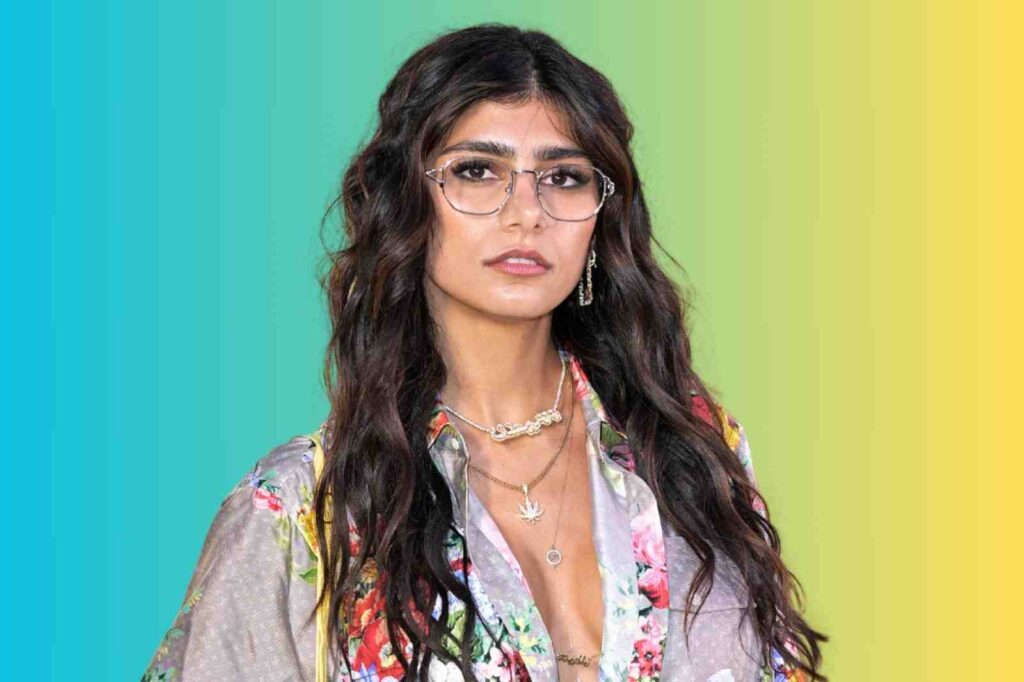

The Mia Khalifa song started as a misunderstanding and became a TikTok staple that millions still quote without knowing its origin. A fake tweet in 2018 prompted an Atlanta duo to drop a quick diss track, yet the hook detached itself and traveled far beyond any intended target. Years later, the track’s reach continues while the person named in the title remains a bystander to its success.
fake post sparks recording
A fabricated Instagram meme account post claimed Mia Khalifa had mocked a hijabi rapper for smoking. The post was later exposed as a hoax, yet the rumor spread fast enough to reach iLOVEFRiDAY before the correction.
The duo recorded their response in one studio session, turning the fabricated slight into a two-minute track that named the adult film star in its title. They self-released it the next day with the subtitle “Tik-Tok ANTHEM,” expecting modest pushback from their small fan base.
Within hours the song sat online with little fanfare, its verses aimed squarely at the rumored tweet and its chorus left open for reuse. The artists moved on to other material, unaware that the hook would soon eclipse every line around it.
hook escapes its context
The line “Hit or miss, I guess they never miss, huh?” carried no direct reference to Khalifa once separated from the verses. TikTok users adopted it for lip-sync skits, gaming clips, and reaction videos that had nothing to do with the original beef.
Early traction came from a single cosplay video in late 2018; the audio then seeded thousands of copycat challenges under the tags #HitOrMiss and #TikTokTest. The platform’s algorithm rewarded the short, repeatable phrase, and user-uploaded clips accumulated hundreds of millions of views without any official licensing deal.
Streaming platforms registered the surge in plays, pushing the track to number one on Spotify’s Global Viral 50. The artists received no advance notice and no placement fee, yet the exposure introduced their names to listeners who never heard the rest of the diss.
khalifa learns through mentions
Mia Khalifa first encountered the song when strangers tagged her on social media. She had posted nothing about the fabricated tweet and had never met the Atlanta duo, yet her name now functioned as shorthand for the meme.
Initial reactions were cautious; she later told interviewers she viewed the platform as one built partly to mock her. Over time she joined TikTok anyway, focusing on unrelated content while comments referencing the track still surfaced beneath her videos.
Khalifa has since framed the episode as an example of how quickly online fiction hardens into accepted fact. The track’s persistence keeps the association alive even as her public work has shifted to commentary and lifestyle posts.
artists watch virality pass
iLOVEFRiDAY watched their chorus become playground banter while the verses stayed tied to a rumor they now knew was false. Aqsa Malik noted in later interviews that the song placed TikTok on the map for many listeners who created accounts just to follow the trend.
The duo never secured a formal sync agreement with the platform, so streams arrived through user audio rather than official placement. They later described the experience as proof that unsigned acts can fuel major moments without capturing proportional compensation.
Re-releases through Columbia in late 2018 and catalog placements since have added streams, yet the original motivation remains a footnote. The artists continue releasing music, aware that casual listeners still associate them primarily with a single detachable hook.
metrics outlast the moment
Official YouTube uploads have crossed hundreds of millions of views, and Spotify reports surpass 100 million streams years after release. The audio still appears in 2025 and 2026 nostalgia edits, proving the hook’s durability beyond its 2018 origin.
Trending discussions on current TikTok cycles occasionally revive the sound for new users who encounter it without context. Each resurfacing resets the cycle of comments linking Khalifa to a post she never made.
Market updates from music analytics firms show the track maintains steady monthly listeners despite minimal new promotion, illustrating how meme longevity can outpace conventional release strategies.
platform benefits versus creator gains
TikTok’s early growth overlapped with the song’s spread, and executives have cited user-generated audio as a driver of new account creation. The platform captured engagement while the creators captured mentions.
Pitchfork reporting later highlighted how the absence of licensing deals left many viral artists with minimal returns relative to the attention their work generated. iLOVEFRiDAY’s experience became a case study in that gap.
Industry conversations since have focused on retroactive sync agreements and creator funds, though the Mia Khalifa song predates those policy shifts and remains an example of pre-regulation virality.
comments keep the link alive
Social media conversations under Khalifa’s posts still reference the track, often from users who discovered it years after the initial wave. The repetition reinforces the connection even as new content from her eclipses older associations.
Recent threads on Reddit and X revisit the fake-tweet origin whenever the audio trends again, supplying context that many first-time listeners missed. These recirculations function as informal fact-checks within the same ecosystem that spread the misunderstanding.
Despite the clarification, the title continues to serve as an entry point for people searching the phrase, sustaining streams without requiring new marketing from either the artists or Khalifa herself.
detachment becomes the legacy
The Mia Khalifa song demonstrates how a hook can travel independently of its intended subject. Listeners quote the line in contexts ranging from sports highlights to relationship memes, rarely referencing the fabricated post that prompted its creation.
Khalifa’s later TikTok presence operates at a distance from the track, yet the name association persists in search suggestions and comment sections. The artists accept the trade-off between visibility and narrative control.
Cultural shorthand formed around a misunderstanding now functions as neutral internet slang, illustrating how quickly origin stories can be overwritten by repeated, context-free use.
what the record shows now
The Mia Khalifa song remains a catalog asset whose reach exceeds the circumstances of its recording. Its continued presence on streaming platforms and short-form video feeds confirms that a single line can outlive both its target and its creators’ expectations. Future listeners will likely encounter the hook first and the backstory second, if at all.