
Hollywood spent much of the past year fighting over whether Paramount should be allowed to buy Warner Bros. Discovery. Now, after a sprawling regulatory battle, the $110 billion deal is approaching its final act — and the debate over whether it will save Hollywood or shrink it isn’t going anywhere.
Almost everyone agrees that the film and TV businesses need more work, and Paramount has promised exactly that under the multistate settlement it reached in order to grow its company earlier this month. The combined studio is expected to release at least 30 theatrical movies annually during its first two years and 32 annually for the following three — while spending an additional $1.5 billion on U.S. film and television production over five years.


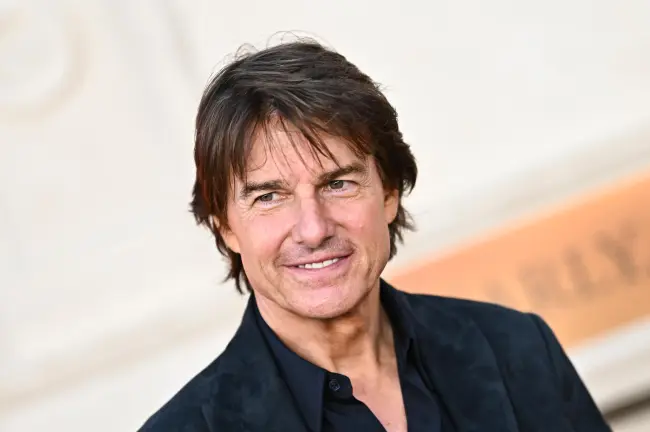
Those commitments give the government a means of holding soon-to-be WarnerMount chief David Ellison accountable. But whether you find his promises genuinely reassuring may come down to how much you make. Tom Cruise, for one, is thrilled.
“I think it’s awesome,” Cruise said of Paramount’s plan during a September appearance on “The Pat McAfee Show.” The “Mission: Impossible” star predicted Ellison would deliver and argued that increased production would create opportunities across the business. “Production begets production,” Cruise said, projecting 30 movies would eventually become 40.
It’s understandable why someone like Cruise, “Digger” himself(!), could see the deal that way. Paramount is home to a slew of the actor’s most profitable projects, including “Top Gun.” Plus, he separately struck a deal with Warner Bros. in 2024 to develop original and franchise theatrical films.
When Cruise wants to make a movie, the question isn’t generally whether someone will let him do it — but when they can make it happen and for how much. The same can be said of James Cameron: another of Hollywood’s powerful theatrical evangelists who also encouraged the Paramount deal.
“I’m a supporter of it. I know it’s controversial,” Cameron said in April. He explained then that his reasoning was partly rooted in his personal confidence in Ellison, whom Cameron called a “natural born storyteller.” But the director also cautioned against what he saw as a worse alternative.
“Oh, Netflix would be a disaster,” Cameron told The Town months earlier, dismissing the streamer’s theatrical promises during negotiations for its since-scrapped agreement with Warner Bros. as “sucker bait.” Throughout the merger campaign, many industry heavyweights expressed fear that, without Paramount’s backing, the Warner Bros. machine would simply cease to be.
Cameron previously predicted the studio would become little more than another streaming label under Netflix — and that partnership would further hurt large-scale theatrical filmmaking at a time when it’s already contracting. From the director’s vantage point, then, the endangered resource at the center of the Warner Bros. sale wasn’t general production — but the specific kind of costly artistry that Cameron needs studios to support.
Move a few rungs down Hollywood’s economic ladder, however, and two potential employers becoming one can impact the entertainment economy in a radically different way. For an actor looking for their next supporting role, Paramount and Warner Bros. didn’t offer infrastructure so much as opportunity. Similarly, for a writer shopping a script, the two organizations weren’t just brands — but possible buyers.
At the corporate level, the deal promises “synergies” that carry a dismal implication for headcount. It’s safe to say thousands of people will lose their jobs because of this merger, and there are people with real sway in Hollywood who are furious about that. That’s one reason why opposition from some on-screen talent was so intense.
Thousands of filmmakers, performers, and other industry players signed an open letter opposing the acquisition. Its public champions included Joaquin Phoenix, Kristen Stewart, Ben Stiller, Mark Ruffalo, Emma Thompson, Jane Fonda, and more. According to Ruffalo and antitrust activist Matt Stoller, even that long list understated the opposition. They said other artists privately supported the campaign but were afraid to attach their names over fears that Paramount could retaliate professionally.
There is no evidence the studio plans to retaliate against merger opponents. But the anxiety about the career repercussions of speaking out reveals something important about Hollywood’s class system. Paramount can’t meaningfully impact Cruise or Cameron in the same way they could derail the career of a character actor playing a supporting role in a buzzy HBO series — or an indie filmmaker looking to make the ambitious leap into blockbusters.
That doesn’t make either Cruise or Cameron’s optimism about the business of storytelling insincere. But it does demonstrate how they experience the same industry from an unusually secure position. Suffice to say, a bigger studio can look like an even bigger partner when they need you, too.
Celebrities and working-class showbiz professionals who publicly opposed the merger were making a different calculation. Some were famous enough to absorb the risk, while others decided that, for them, speaking up was worth whatever consequences might follow. They didn’t stop the deal, of course. But the protests weren’t pointless either.
The final merger settlement looks considerably different from the future Paramount originally proposed. That includes enforceable agreements with penalties for the studio that someone will have to investigate if those infractions happen. Power isn’t distributed equally in Hollywood or in any industry, but neither is the ability to imagine a different future from the one being forced down regulators’ throats.
Just because you have less leverage doesn’t mean you don’t count, and enough voices can change what comes next. Even with WarnerMount imminent, paychecks won’t run it. People will.