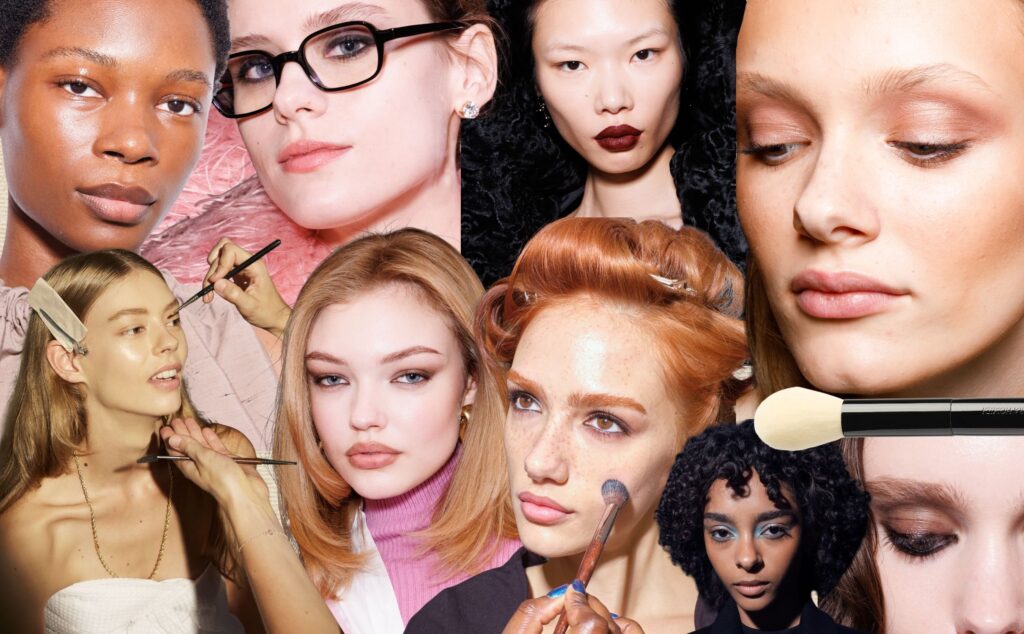

I wear a soft smokey eye on an average Tuesday, so I realize my definition of “everyday makeup” might be a little more involved than most. But I’m also the friend who does everyone’s glam on a girls’ night, and I know who’ll let me go all out and who wants to look like they’re barely wearing any. (I can happily do both, though I might gently suggest a little more mascara.) When it comes to the best makeup for beginners, I’d start with a handful of formulas you feel comfortable using—and leave the elaborate tutorials for when it’s low-stakes and you have time to play around, not before running into your ex for the first time in a year.
But even figuring out that handful can get confusing. Do you need foundation if you already have concealer? Is lip liner necessary? And how many of those makeup brushes are you realistically going to use? I love a fully stocked makeup bag, but I’m not going to tell you to buy something just so it can sit untouched at the bottom of yours. It helps to think about what you want your makeup to do: Covering a little redness calls for a different starting point than learning to play with eyeshadow. Makeup is so subjective, anyway, so consider this a starting point. You get to decide what counts as an essential.
To help you figure out yours, I tapped makeup artist Hannah Jaclyn for her advice on getting started, including which formulas are easiest to work with and how to apply them. Ahead, I’ve broken down the basics by area of the face, with optional extras for whenever you feel like having a little fun.
What Makeup Essentials Does a Beginner Actually Need?
You can get pretty far with concealer, mascara, and a tinted lip balm, with moisturizer and sunscreen underneath. Jaclyn also includes a tinted brow gel and lash curler in her beginner lineup. I’d be tempted to sneak a blush into your bag, too. If evening out your skin is more of a priority, a skin tint might be a more useful addition. You can build your collection as you figure out what you actually enjoy wearing—no need to leave Sephora with my entire medicine cabinet.
What Makeup Brushes and Tools Does a Beginner Need?
I love a good makeup brush, but even I wouldn’t send a beginner home with a 20-piece set. Start with tools for the products you actually use: a concealer brush or makeup sponge for coverage, and a fluffy brush for powder. A lash curler can look mildly intimidating, but it earns its spot in Jaclyn’s beginner kit. A small blending brush is useful for eyeshadow, though fingers can work well with cream formulas, as Jaclyn says. You can add more when you find yourself wishing you had a specific tool.
Base Makeup

(Image credit: Future)
I know moisturizer is less exciting to shop for than blush, but it’s where I’d start. “The base of your whole makeup look starts with skin prep,” says Jaclyn. Keep it simple with a moisturizer that suits your skin type, followed by sunscreen during the day. Give everything a chance to settle before applying makeup. A good rule of thumb is around two minutes.
Foundation isn’t a requirement. If you only want to cover a few spots or redness around your nose, start with a little concealer and tap around the edges to blend. For coverage across your face, try a thin layer of skin tint or light-coverage foundation, then add concealer wherever you want more. You can always build it up; taking it off without disturbing everything underneath is considerably more annoying.
If you get shiny, have super oily skin, or find your concealer moves around, finish with a light dusting of setting powder where needed. “I recommend using liquids or creams before powder for a seamless finish,” says Jaclyn. That means if you’re using cream blush or bronzer, save the powder until after those steps.

Danessa Myricks Beauty
Yummy Skin Blurring Balm Powder
– Tinted Primer & Foundation

La Roche-Posay
Anthelios Ultra Light Fluid Face Sunscreen SPF 60
Blush & Bronzer

(Image credit: Future | Merit)
Blush only seems scary until you try it; trust me on that. “If you feel overwhelmed by doing makeup, try cream formulas,” says Jaclyn. Tap a small amount onto your cheeks with your fingers or a brush, blending outward to soften the edges. If you want some warmth, lightly blend bronzer along your temples and the tops of your cheeks. No contouring lesson required.
For lighter coverage, Jaclyn suggests applying your cream cheek products first, then concealing around them. You might find you need less base once you’ve added some color. Save setting powder for afterward, and always remember: cream products before powder in most cases.
Eyes & Brows

(Image credit: Future | Violette_FR)
Use your lash curler before mascara, then sweep your mascara wand from roots to tips. For brows, she recommends a softly tinted gel. Brush it through in the direction you want the hairs to sit for a little definition without having to draw individual strokes.
Eyeshadow can come later, though obviously I’m going to encourage it. A cream stick gives you one shade to work with: apply a little to your lid, then blend the edges with a fingertip or brush. That alone can be your whole eye look. The precise wing can wait until you’re getting ready with nowhere to be.

L’Oréal Paris
Telescopic Original Washable Mascara – Blackest Black
Lips

(Image credit: Future | REFY)
You could stop at tinted lip balm and call it a day. It’s Jaclyn’s pick for adding moisture while enhancing your natural lip color, and it’s easy to reapply without much thought. A sheer lipstick gives you a little more color without requiring an especially careful outline.
Lip liner is worth trying when you want more definition. Choose a shade close to your natural lip color and lightly trace the edges, then soften the line with a fingertip before adding balm or lipstick. Jaclyn’s advice is reassuring: “It can be very subtle and simple.” I’d leave overlining out of the equation for now; getting familiar with your actual lip shape is enough.
In What Order Should I Apply Makeup?
An easy order to follow is skin prep, then foundation or skin tint, concealer, cream blush and bronzer—followed by powder blush and bronzer, if necessary—and setting powder, followed by eyes, brows, and lips. Skip anything you’re not using. The main guideline from Jaclyn is to apply creams and liquids before powder: “Think about using the powder to set and lock in the wet products.”
Beyond that, you have room to move things around. Doing eyeshadow first, for example, lets you clean up fallout without having to redo your concealer. Or you might try her trick of applying cream cheek products before deciding where you need coverage. You’ll figure out which order makes getting ready easier for you, and it doesn’t have to match every tutorial you watch.
How Do I Make My Makeup Look Natural?
Give yourself a chance to see what a small amount of product looks like before adding more. It’s easy to keep dotting on concealer when you’re inches from the mirror, only to step back and realize you’ve covered much more than you intended. Start where you want coverage, blend the edges, then check your whole face in natural light if possible.
The same goes for color. Build blush gradually and soften any obvious lines around your lips or eyes. “Just apply your desired amount and keep blending using your finger, brush, or sponge,” says Jaclyn of cream formulas. And makeup is not a magic wand—a little visible texture doesn’t mean you’ve done your makeup wrong. Skin will still look like skin, even with makeup on—just a little smoother, glowier, and even.
Why Trust Marie Claire
For more than 30 years, Marie Claire has been an internationally recognized destination for news, fashion and beauty trends, investigative packages, and more. When it comes to the products Marie Claire recommends, we take your faith in us seriously. Every product that we feature comes personally recommended by a Marie Claire writer or editor, or by an expert we’ve spoken to firsthand.
Meet the Expert

Hannah is a freelance makeup artist based in Southern California. She has honed her skills and gained a trusted, sought-after reputation for catering to celebrity and high-level clientele. She has had the incredible opportunity to assist many celebrity makeup artists and travels often for work. Hannah’s work has been published in Vogue, Numéro, Grazia, and various magazines. In addition, she has showcased her skills on many red carpets including the Oscars, Golden Globes, Emmys, and Critics Choice Awards. Hannah’s expertise has been quoted for many beauty articles in Marie Claire, Byrdie, Teen Vogue, and Billboard. Hannah is also the in-house makeup artist and brand ambassador for Jouer Cosmetics. She hopes to enhance her client’s natural beauty and help them feel like the best version of themselves.