
What Really Happens Inside a Black Hole?
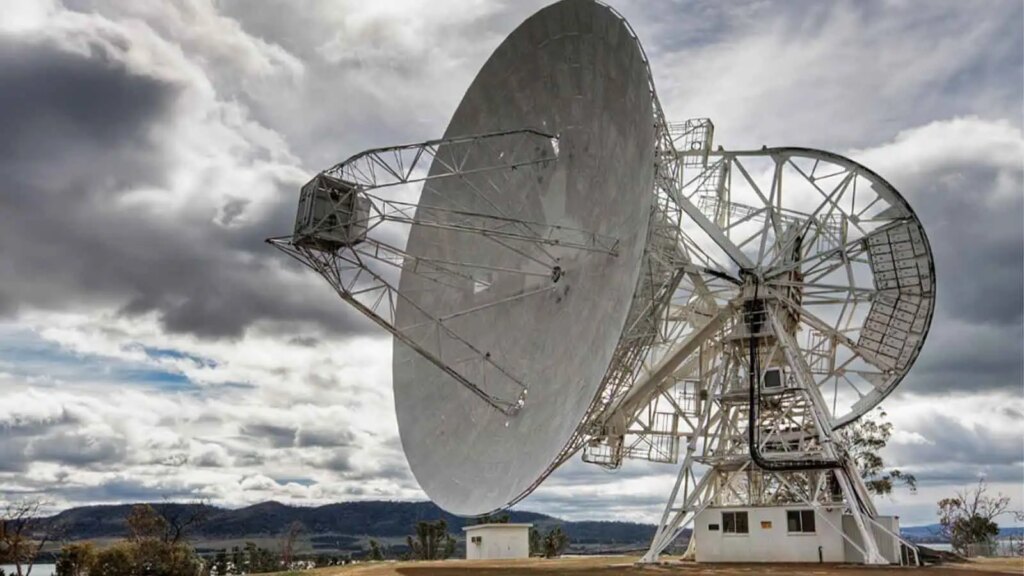
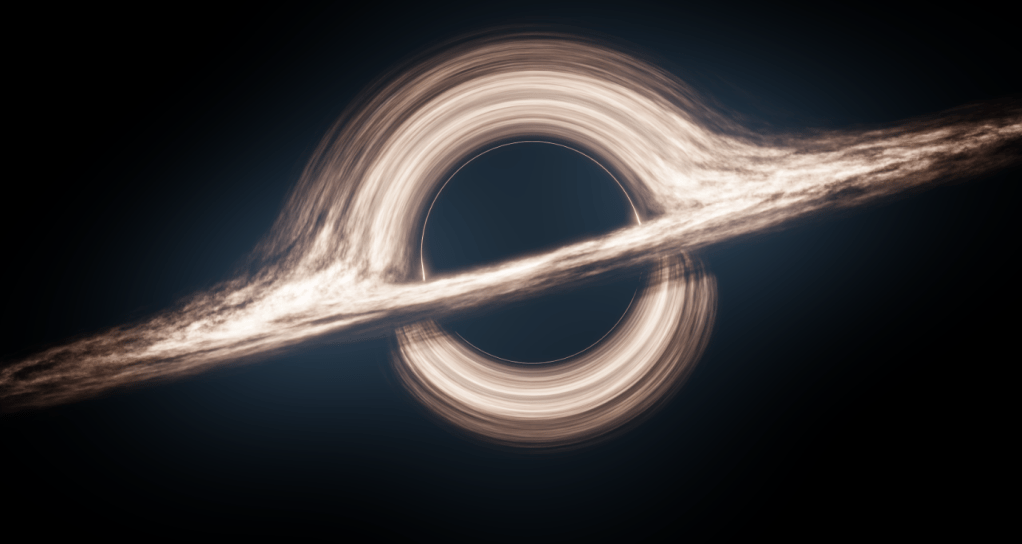
Astronomers can study black holes through their effects on surrounding matter and light, but the environment beyond an event horizon remains inaccessible. Scientists still don’t know what matter ultimately becomes inside these extraordinary objects.
What Causes Fast Radio Bursts?
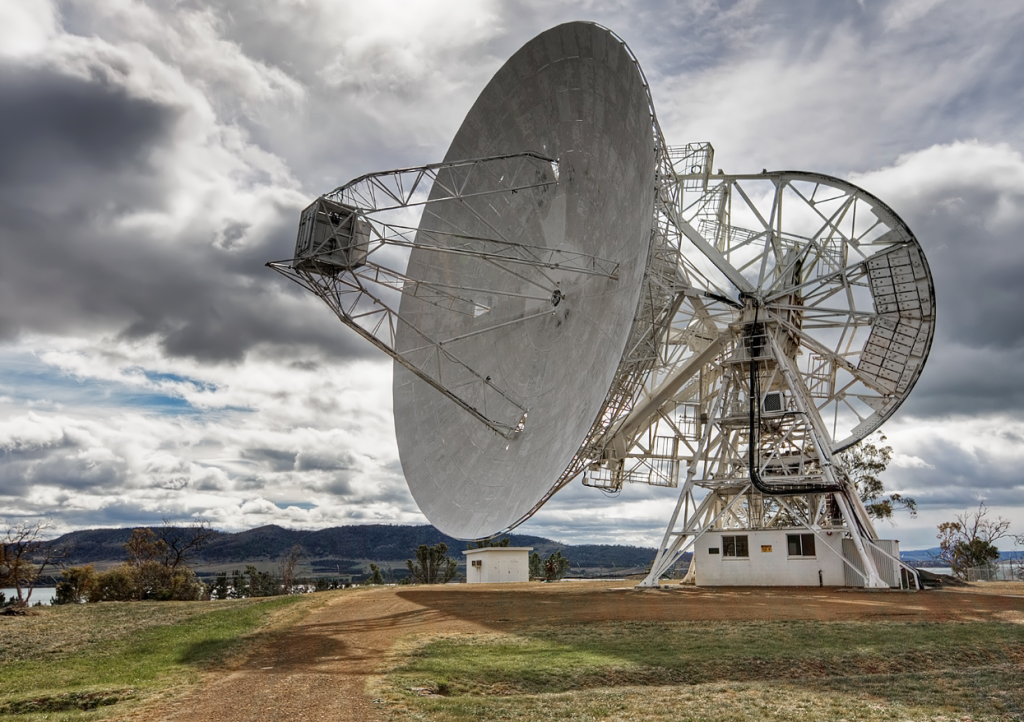
Fast radio bursts are extraordinarily powerful radio flashes lasting mere milliseconds. Some are now linked to magnetars, but scientists still don’t know whether every FRB shares the same origin or what physical mechanisms produce the entire population.

Why Are Neutrinos So Strange?
Neutrinos are extraordinarily abundant, electrically neutral particles with tiny masses that barely interact with ordinary matter. They can also change between three known “flavors.” Scientists continue studying their properties because these ghostly particles may reveal physics beyond current theories.
Why Is the Sun’s Corona So Hot?
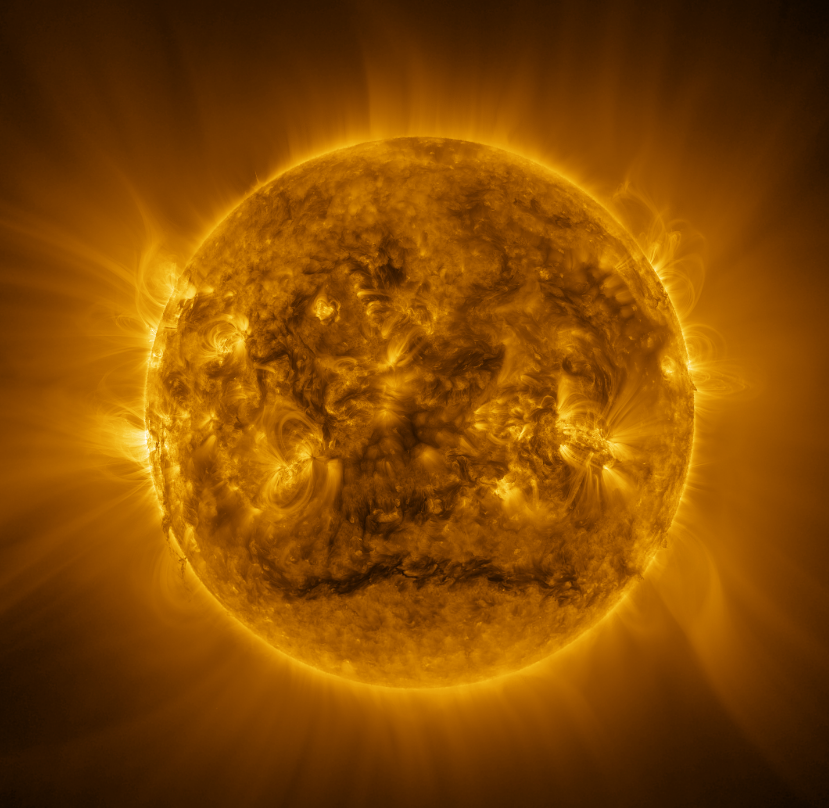
The Sun’s visible surface is around 10,000 degrees Fahrenheit, while its outer atmosphere can reach millions of degrees. Scientists have proposed mechanisms including waves and tiny magnetic eruptions, but no single explanation has settled the coronal heating mystery.

Can We Ever Predict Earthquakes?
Scientists can estimate earthquake probabilities for particular regions and time periods, but they cannot reliably predict an individual earthquake’s exact time, location, and magnitude. Despite extensive research, the physical processes leading to precise prediction remain beyond current capabilities.

What Is Still Hiding Beneath the Ocean?
More than 90% of the ocean is deep ocean, and scientists have directly observed less than 0.001% of the deep-ocean seafloor. Vast areas remain unexplored, potentially containing unknown species, geological features, and ecosystems.