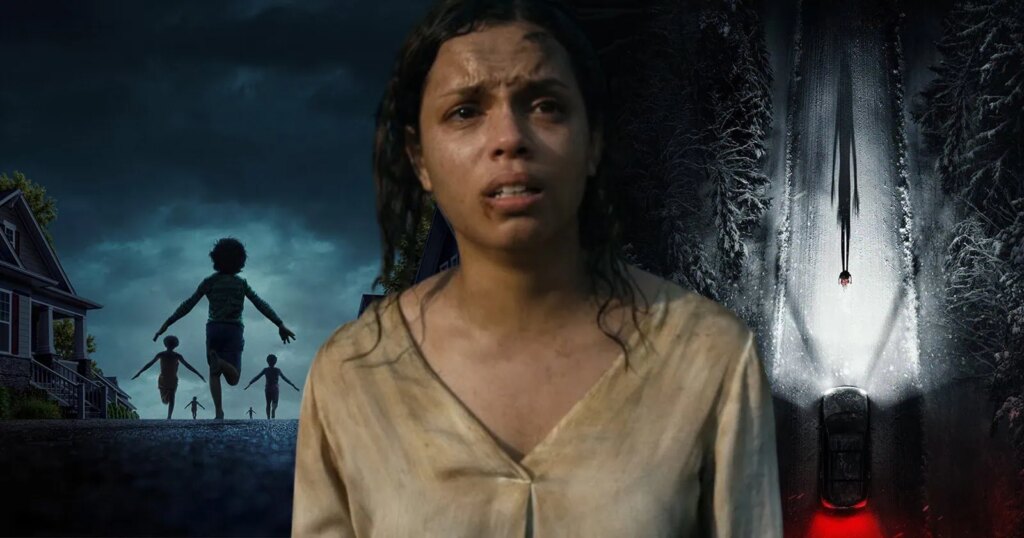

Zach Cregger has taken the horror world by storm in the past four years. Is anyone doing it better?
Hollywood has a funny way of working out for some stars. It might be a musician turned successful actor, or a transition from acting or crewing into becoming a director, or even making the switch from film critic to cinematic auteur. Starting in one genre or format doesn’t have to mean locking yourself to it. Just ask Takeshi Kitano, who went from being a popular comedian to a blazing voice in the Japanese resurgence of gangster cinema in the early 90s. He completely upended his image, whilst still layering in plenty of dry and quirky comedic moments, even in the most brutally violent of films.
Or there’s Zach Cregger, an actor specialising in sketch comedy and TV appearances who announced himself as a commanding and confident voice in horror cinema with Barbarian. The film was a low-budget sleeper hit that felt like it came out of nowhere and became a watercooler film of 2022. Horror fans like to have their fancies tickled, and if you do so, they will spread the word and help create hype. That’s just what happened with Barbarian, a script Cregger initially wrote as a simple exercise in his garage with almost no expectation it would ever get picked up and made. In fact, he finished the script, shopped it around, and was getting turned down by the types of studios a film of that ilk would normally snatch up (A24, for example). Still, thankfully it got made, and it grabbed attention quickly after release, not least for the superb opening act.
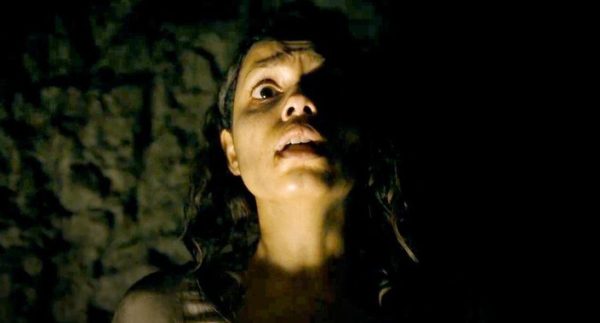
For some, the huge tonal shifts in the story and distinct perspective shifts didn’t entirely work, but even so, it was those that made it feel fresh within the genre. Horror has seen a bit of a boost in the past decade, with some great new voices, exciting films, and some wild swings that have occasionally divided but have also ensured they were memorable. If you break out in a particular genre, there can often be a weight of expectation with the next picture. When it comes to horror, you might argue that weight is even heavier.
It wasn’t luck either, as Cregger talks the talk as a knowledgeable and creative filmmaker who is in control of his tools and knows what he wants to do. Some directors are functional and do the job; others are auteurs and distinct, with a firm grasp and reasoning behind every creative decision, whether it works for you or not. There’s a sense in some horror circles that Ari Aster and Robert Eggers are the modern cineastes’ idols. They’ve both made arthouse horror with very distinctive visions and perhaps even more divisive and acquired tastes than Cregger. Let’s face it, though it did prove to be a cult favourite, The Lighthouse isn’t for everyone, not that Eggers cares. The same goes for Aster’s Midsommar in particular, even if it certainly had a clear lineage of references. As Weapons further proved, Cregger is more “conventional” and perhaps mainstream-friendly, but he’s no less artistically inclined or assured. You might merely say he’s more considerate of an audience member, whilst Aster made Beau is Afraid.

If you felt that Barbarian couldn’t quite hold the high bar of its opening, Weapons went differently (for me at least). It slowly raised the heat to a simmer before erupting into a final (and perhaps divisive) boil in the last scenes. He’d shown in his first auteur horror he could open strongly, and Weapons showed he could finish strongly too. It was a film that showed growth and maturity as a filmmaker. Watching any behind-the-scenes video on any of Cregger’s horror films, or any breakdowns on the filmmaking techniques, or videos analyzing the subtext, or just listening to Cregger himself discuss his creative choices and influences, it’s clear: This guy knows his onions.
As for his new film, Resident Evil, he’s not only released a film that’s arguably his most critically acclaimed; he’s managed to make the undisputed, most critically lauded video game adaptation ever made. Video game adaptations have been contentious over the years, not least because almost every single one has been terrible, even if some (including the original Super Mario Brothers movie) have grown a cult following because of how goofy they are. It’s often been seen as a poisoned chalice to adapt popular video game IP.
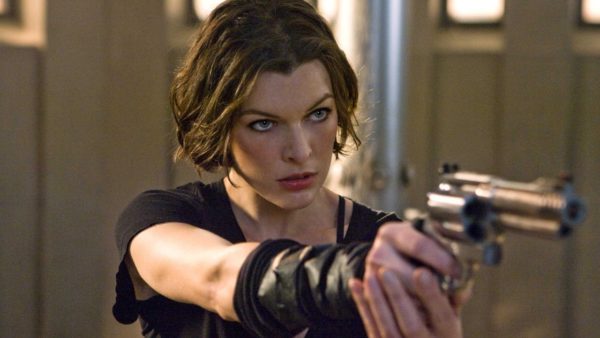
Cregger, of course, isn’t the first to try and bring Resident Evil to the big screen. Paul W.S. Anderson managed to eke a franchise out of Milla Jovovich doing wire and gun-fu in tight tops. For the most part, as long as you’ve had a few ales, they’re a fun guilty pleasure, and hell, who doesn’t love ‘The Jovovich’? Still, it’s fair to say that critics weren’t in agreement with the fans of Anderson and Jovovich’s films, and they savaged every film in the franchise. Yet, they merely did what, even then, was wholly expected from a video game adaptation: to be terrible. Just in more recent years, however, some of the video game films have been more positively received, such as Jim Carrey’s Sonic movies and the recent animated Mario movies.
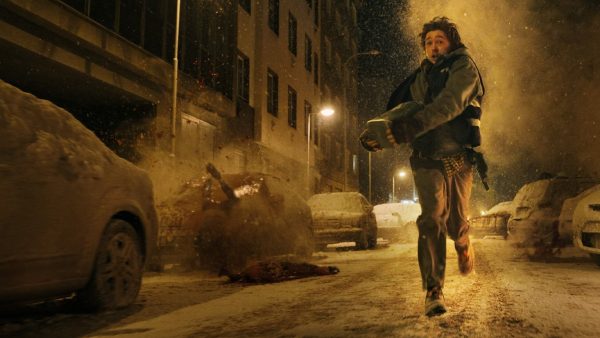
Nothing has come close to the critical reception of Cregger’s Resident Evil, though. It would appear, with a Rotten Tomatoes critic score of 96% (at the time of writing), that Cregger has set a new bar in video game adaptations. Ironically, he’s done it by largely ignoring the original and most popular games to tell a new story set within the world. That was part of what made Milla’s film very divisive among die-hard fans of the original game, but given the quality of Cregger’s film, he’s probably not going to take the same flak. It would certainly seem that he’s managed to capture the immersiveness and the visual style of the original games too, with plenty of shots feeling like a third-person video game and giving an immediacy to the horror and tension. The trailers alone are laden with references players of the OG games will instantly recognise too, even if they’re not following Chris or Leon (for example).
These days it’s rare enough to burst onto the scene with a home run and be able to knock it out of the park with your sophomore. To hit three for three is damn impressive indeed, and Cregger has done that. At the same time, given how his career has already shifted and transitioned, it might be foolish to assume he’ll stay housed within the horror genre. He has a sci-fi thriller in the works, but whatever he does next will now be much anticipated.
Is Zach Cregger the best horror director in the game right now? Should he stick to horror or branch out? Let us know on our social channels @FlickeringMyth…
Tom Jolliffe